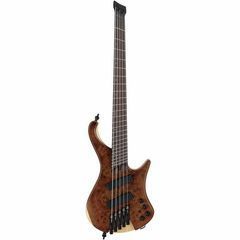
Electric Bass Guitars — buy with a discount at SoundsGood
An electric bass forms the foundation of an ensemble, linking drum rhythm with harmony and melody. Compare more than brand and appearance: string count, scale, tuning, spacing, electronics, weight and balance all shape the result.
By string count, scale, tuning, electronics, style and budget.
Range and tuning: Electric Bass Guitars
Range and tuning
Four strings in E–A–D–G remain the versatile baseline; a fifth adds low B, while a six-string normally adds both low B and high C.
Tone and electronics
A passive circuit offers simple control and natural dynamics; an active preamp adds EQ range and output headroom.
Ergonomics and construction
J-style, P-style, modern humbucker, fretless, multiscale and headless designs solve different tonal and ergonomic tasks.
Checks before purchase
A sound choice starts with the part, tuning, scale, neck profile, strap balance and compatibility with the amplification chain.
Bass-format comparison
Format
Range and feel
Core strength
What to confirm
4 strings
E–A–D–G; more compact neck
Versatile familiar fingering
Scale, pickups and spacing
5 strings
B–E–A–D–G; extended lows
Notes below E without retuning
Low-B definition, width and balance
6 strings
B–E–A–D–G–C; wide range
Lows, chords and melody
Neck, weight and range balance
Fretless
No frets; continuous pitch
Mwah, slides and precise vibrato
Intonation, board and action
Short scale
Usually around 30–32 inches
Compact reach and softer feel
Strings, tension and intonation
Multiscale / headless
Variable scales or compact system
Low control, balance and transport
Adaptation, strings and service
How to choose: Electric Bass Guitars
A subcategory name is only the first filter. Compare the exact specification, physical fit, setup and interaction with your amplification.
Strings and tuning
Define the lowest required note, alternative tunings and need for an extended upper register.
Scale and tension
Confirm speaking length, string gauge, attack, intonation and distance between positions.
Neck and spacing
Check profile, nut width, radius, bridge spacing and upper-fret access.
Pickups
Compare P, J, PJ, humbucker or soapbar layouts, string balance, noise and technique response.
Active or passive
Assess output headroom, EQ, battery, passive bypass and amplifier-input compatibility.
Weight, balance and setup
Play seated and standing; check neck dive, action, frets, relief, nut and intonation.
Materials, construction and electronics
Body
Alder, ash, mahogany, basswood and other materials work together with shape, mass and construction.
Neck
Maple, mahogany, laminated and graphite solutions differ in stiffness and stability.
Fingerboard
Rosewood, maple, ebony and composites affect feel, wear and attack within the complete design.
Neck joint
Bolt-on, set-neck and neck-through alter access, serviceability, attack and sustain behaviour.
Electronics
Pickup quality, shielding, controls and preamp matter more than the number of knobs.
Hardware
Bridge, tuners, nut and strap buttons should hold tuning, intonation and balance without excess mass.
Use cases: Electric Bass Guitars
Rehearsal, studio, stage, study and touring demand different balances of tone, ergonomics and reliability; no single configuration is universal for every bassist.
Study and practice
A comfortable neck, controlled action and stable tuning support sound technique.
Rehearsal and stage
Coordinate output, DI, cables, amplifier, monitoring and clean volume headroom.
Studio
Check noise, string balance, intonation, direct signal and how the attack occupies the mix.
Professional work
Reliable hardware, fast battery access, a compatible case and repeatable setup matter on tour.
Global bass-guitar brands and builders
This extended world reference covers historic brands, production manufacturers, Asian and European factories, boutique workshops, acoustic, headless and modern custom formats.
Classic American brands
FenderSquierGibsonEpiphoneRickenbackerMusic ManSterling by Music ManG&LGuildGretschDanelectroReverendLaklandSadowskyMichael KellyPeaveyKramerJacksonCharvelWashburn
Japan and Asia
YamahaIbanezESPLTDSchecterCortAria Pro IITokaiFernandesBacchusAtelier ZFujigenFGNMoon GuitarsGrecoTuneKiller GuitarsGrassRootsEdwardsMorris
KalaGold ToneOvationBreedloveTaylorMartinTakamineAlvarezOrtegaNS DesignSteinbergerStrandbergKLOS GuitarsEmerald GuitarsJourney InstrumentsGodinSeagullLÂGFaithBoulder Creek
Custom and historic builders
Carl ThompsonKubickiParkerVeilletteWishbassRob AllenRick TurnerStambaughConklinBee BassesCurbowWarrior InstrumentsBeneventeBrubakerWyn GuitarsMonson Guitars
This global list is for reference, navigation and comparison. It does not mean every brand, builder or model is currently available from SoundsGood. Check current offers only in live catalog filters and product pages.
Strings, setup and care
Gauge and tuning
After a substantial tuning or gauge change, check nut slots, relief, action and intonation.
Scale length
Long, medium, short and extra-long sets differ in speaking and winding length.
Roundwound and flatwound
Roundwound provides brighter attack; flatwound offers smoother feel and a different spectrum.
Battery
Do not leave active electronics plugged in; keep a fresh spare battery available.
Humidity and temperature
Avoid abrupt changes and allow the instrument to acclimatize in its case after cold.
Routine checks
Inspect frets, nut, neck joint, bridge screws, output jack and strap buttons.
We match tuning, scale, electronics, ergonomics, amplification and budget, then select compatible accessories.
Official warranty from the manufacturer or importer.
Professional selection by tuning, scale, electronics and style.
Up to 7 PrivatBank payments and up to 6 monobank payments.
Nova Poshta, pickup and free delivery from UAH 4,000.
Help choosing amplification, cable, bag, case, strap and strings.
Current price, package and availability appear on each product page.
Tender and corporate procurement: Electric Bass Guitars
SoundsGood supplies bass guitars, packs, amplification and accessories to music schools, colleges, academies, studios, theatres, cultural institutions, military ensembles, and public, municipal or private organizations.
To a technical brief
We match string count, scale, tuning, pickups, electronics, package and accessories to institutional requirements.
Quotation and specification
We prepare a quotation, invoice, technical characteristics, specification and warranty documents.
Cashless payment
We work by invoice and contract, coordinating delivery timing and document flow.
Prozorro and direct contracts
We participate in public procurement through Prozorro and supply within the customer procedure.
We can prepare a specification without unjustifiably narrowing requirements to one trademark. Tender procurement details
Frequently asked questions: Electric Bass Guitars
How many strings should a first bass have?
Four strings are the most straightforward versatile start. Choose five for extended low range and six when range, chords and solo playing matter.
Is an active or passive bass better?
Passive basses offer simplicity and natural response; active circuits provide wider tonal control. The better choice depends on amplification, style and workflow.
Which amplifier does a bass need?
Use a bass amplifier and cabinet designed for low frequencies. Home use benefits from volume control and headphones; a band needs real power headroom.
How does an active bass differ from passive?
An active bass has power and usually onboard EQ; passive circuits are simpler and often respond more naturally to volume control.
Does a new bass need setup?
After transport, check neck relief, action, frets, nut, intonation, pickup height and tuning stability.
Which strings should I choose?
Match string count, scale, winding length, tuning, gauge, material and winding type to the instrument.
Can I use a guitar combo for bass?
At quiet level it may pass signal, but a guitar speaker is not designed for powerful lows and can be damaged.
What does a first setup require?
A bass, bass amplification or safe headphone solution, instrument cable, strap, tuner, bag and spare strings.
Need help choosing?
Tell us the tuning, string count, style, technique, amplification and budget—we will identify suitable parameters and a compatible package.