




|
Quantity
|
Cost
|
||
|
|
|||
|
|
|||
Synthesizers
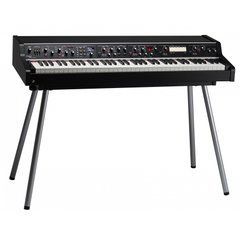
Synthesizers are versatile electronic keyboard instruments with many voices, auto-accompaniment styles, effects and learning features. At SoundsGood — from models for beginners and children to home arranger keyboards, lighted-key learning models, workstations and professional synths. Formats of 61, 76 and 88 keys, a touch-sensitive keyboard, polyphony, MIDI/USB. Brands Yamaha, Casio, Korg, Roland (plus Kurzweil, Alesis, Behringer, Arturia). Delivery across Ukraine via Nova Poshta; pickup at our Kyiv showroom. We'll suggest a model for your age, level and goal.
See also digital pianos, MIDI keyboards and other keyboard instruments.
61 / 76 / 88 keys
From children's to professional
From children's to professional
Auto-accompaniment
Styles, voices, effects
Styles, voices, effects
Learning features
Lighted keys, lessons
Lighted keys, lessons
Delivery across Ukraine
Nova Poshta, pickup in Kyiv
Nova Poshta, pickup in Kyiv
🎹 Overview: what a synthesizer is
🎵 A versatile instrument
Many voices, styles and effects in one body. It plays piano, organ, strings, winds and synth sounds. Built-in speakers, mains or battery power. Suitable for learning, home, pop and production.
🆚 Synth or digital piano
A synth — variety of sounds, auto-accompaniment, a lighter keyboard (61/76). A digital piano — 88 weighted hammer keys and a piano feel. For versatility and learning — a synth; for academic piano — a digital piano.
🎚️ Auto-accompaniment
A built-in 'band'. Play a chord and the synth plays rhythm, bass and harmony in a chosen style (pop, rock, jazz, latin). It makes even simple playing full. The key advantage of arranger models.
🎓 Learning
Learning modes and lighted keys prompt notes, grade your playing and include a song library. They motivate children and speed up the first steps. They don't replace a teacher but make practice more engaging.
🎛️ Synthesizer types
🌱 For beginners and children
Simple, affordable, compact. 44–61 keys, basic voices and styles, learning features. Casio SA/CT-S, junior Yamaha PSR-F/PSR-E. For first steps and getting to know music.
🏠 Arranger (home)
Many styles and voices, quality auto-accompaniment. 61/76 keys, touch-sensitive keyboard, recording. Yamaha PSR-E/PSR-EW, Casio CT-X. The most popular choice for home and learning.
💡 Lighted-key learning
The keys light up to show what to press; step-by-step lessons. Casio LK, Yamaha EZ. Great motivation for children and adult beginners.
🎚️ Workstations and professional
Sequencer, samples, deep sound editing. Korg Kross/Pa, Yamaha MODX/PSR-SX, Roland Fantom/Juno. For creating compositions, studio and stage.
🔊 Analog / digital synths
Sound synthesis from scratch. Korg Minilogue, Roland, Behringer, Arturia. A focus on timbre, filters and control — for production, electronic music and stage.
🎤 Entertainment with a microphone
Karaoke and singing along to accompaniment. A microphone input, voice through the speakers (some Casio, Kurzweil, Alesis). For home parties and family fun.
🎹 Keyboard: number and type of keys
🔢 Number of keys
44–49 — children's, compact. 61 (5 octaves) — the most popular for home and learning. 76 — for more complex repertoire and organ. 88 — a full piano keyboard.
👆 Touch-sensitive keyboard
Responds to how hard you press — louder/brighter, like a piano. Important for expressive playing and technique. The cheapest models can lack sensitivity — for learning, better with it.
⚙️ Action type
Synth/organ keys — light and fast (for solo, auto-accompaniment). Weighted hammer keys — like a piano (on 88-key workstations and digital pianos). Choose by playing style.
🎛️ Pitch / mod wheel
Pitch/Modulation wheels on advanced and professional models let you bend notes and add vibrato — for expressive solo playing and synth parts.
⭐ Key features
🎼 Voices and styles
Hundreds of voices (piano, organ, strings, winds, synths) and auto-accompaniment styles for every genre. The more quality voices and styles, the wider the possibilities.
🎵 Polyphony
32 — minimum; 48–64 — comfortable for amateurs; 128+ — for complex arrangements and layering. More polyphony means notes don't get cut off during active accompaniment and pedal use.
🎙️ Recording and effects
A built-in recorder for your own parts, effects (reverb, chorus, DSP), an equalizer. Advanced models let you create and save your own pieces.
🎓 Learning modes
Lessons, lighted keys, playing assessment, a song library. They help beginners and children; a Duo mode splits the keyboard for playing with a teacher.
🎯 How to choose a synthesizer
👤 By level and goal
Child/first steps → 61 keys, touch-sensitive, learning features. Amateur/home → an arranger 61/76. Production/stage → a workstation or synth.
🎹 Keyboard
For learning and expression — a touch-sensitive keyboard (essential). 61 keys are enough for most; more complex repertoire — 76/88.
🎚️ Features
Need a 'band' and karaoke → rich auto-accompaniment and a microphone input. Recording and production → a sequencer, USB-MIDI, high polyphony.
🎒 Portability
To carry to rehearsals → a light model with battery operation and a bag. Stationary at home → a heavier workstation with a stand is fine.
📊 Brands and types — comparison
| Brand | Strong series | Features | For whom |
|---|---|---|---|
| Yamaha | PSR-E, PSR-EW, PSR-SX, MODX | Quality voices and styles, learning, reliability | Home, learning, pop, stage |
| Casio | CT-S, CT-X, LK, Casiotone | Affordability, DSP sound, lighted keys | Beginners, music schools, home |
| Korg | Kross, Pa, Minilogue | Workstations, analog synths, production | Pros, production, stage |
| Roland | Juno-DS, GO:KEYS, Fantom | Stage sound, compactness, quality | Stage, studio, amateurs |
| Kurzweil / Alesis | KP, Harmony | Entertainment, karaoke, budget | Home, parties, beginners |
| Behringer / Arturia | Analog, MIDI | Sound synthesis, production, controllers | Electronic music, studio |
Not sure which brand or model — message us and we'll pick one for your level, goal and budget.
🔌 Connectivity and the set
💻 USB / MIDI
Connect to a computer, tablet or phone for recording, learning apps and DAW work. The synth becomes a MIDI keyboard for production.
🎧 Headphones and pedal
A headphone output — quiet playing without disturbing others. A sustain pedal input — for a natural piano sound and expression.
🪑 Stand and bench
An X-stand or table-style stand and a bench for correct posture. Important for learning and long playing. We'll match it to the model and height.
🎒 Power and transport
A power adapter is included; many models run on batteries — handy for travel. A bag/case protects the instrument in transit.
⭐ Brands and popular models
Yamaha
Yamaha (PSR-E, PSR-SX)
Quality voices and styles, reliability, learning features. From PSR-E for beginners to PSR-SX arrangers and MODX.
Casio
Casio (CT-S, CT-X, LK)
Affordable and capable: DSP sound, auto-accompaniment, lighted keys (LK) for learning. Home and music schools.
Korg
Korg (Kross, Minilogue)
Workstations with a sequencer and analog synths for production, electronic music and stage.
Roland
Roland (Juno-DS, GO:KEYS)
Stage synths with quality sound, compact and light, battery operation. Stage, studio, amateurs.
Beginners
Synthesizers for beginners
61 keys, a touch-sensitive keyboard, learning features — the optimal start for a child and an adult.
Learning
With lighted keys
Casio LK, Yamaha EZ — lighted keys and step-by-step lessons. They motivate children and beginners.
Pro
Workstations
Sequencer, samples, deep editing — for creating compositions in the studio and on stage.
Home
Arranger keyboards
Rich auto-accompaniment and voices for home playing, learning and pop. 61/76 keys.
🔗 Related categories
❓ Frequently asked questions
How does a synth differ from a digital piano?
A synth — many voices, auto-accompaniment styles, a lighter keyboard (usually 61/76), built-in speakers; versatile for arrangements, learning and pop. A digital piano — 88 weighted hammer keys and piano sound as the priority, for academic playing. Choose by goal.
How many keys should it have?
44–49 — children's/compact; 61 (5 octaves) — the most popular for home and learning; 76 — for more complex repertoire and organ; 88 — a full piano keyboard. For starting, 61 is optimal; for serious piano — 76/88 or a digital piano.
Do I need a touch-sensitive keyboard?
Yes, for learning and expressive playing — it responds to how hard you press, like a piano. The cheapest models can lack sensitivity (for the very first steps or background). Most synths from 61 keys up have several sensitivity levels.
What is auto-accompaniment and styles?
A built-in 'band': play a chord and the synth plays rhythm, bass and harmony in a chosen style (pop, rock, jazz, latin). It makes simple playing full, helps you accompany and learn. A key advantage of Yamaha PSR and Casio CT-X.
How much polyphony do I need?
32 — minimum; 48–64 — comfortable for amateurs; 128+ — for complex arrangements and layering. More polyphony means notes don't get cut off during active accompaniment and pedal use.
Which synth for a child/beginner?
A preschooler — 44–49 (sometimes mini) keys to learn notes. For study — 61 keys with a touch-sensitive keyboard and learning features (Yamaha PSR-E, Casio CT-S/CT-X). Lighted keys (Casio LK) help a lot. We'll suggest by age.
What do learning features give you?
Lessons break the melody up, wait for the correct note, grade playing, show fingering; lighted keys show what to press; there's a song library. It doesn't replace a teacher but speeds up first steps and motivates children.
Can I connect it to a computer, headphones, a pedal?
Yes. USB/MIDI — to a computer/tablet for recording and apps; a headphone output for quiet playing; a sustain pedal input; sometimes a microphone and audio. Check a specific model's connectors.
What's in the box and what to add?
Usually a power adapter and music rest; sometimes a stand/pedal. People often add a stand, bench, sustain pedal, headphones, a bag. We assemble it turnkey for your budget.
Arranger, workstation or analog?
Arranger (Yamaha PSR, Casio CT-X) — auto-accompaniment and styles for home/pop. Workstation (Korg Kross, Yamaha MODX) — sequencer and composition. Analog synth (Korg Minilogue, Roland) — sound synthesis for production and stage.
Are there synths with a microphone and karaoke?
Yes, some entertainment models have a mic input and karaoke (some Casio, Kurzweil, Alesis Harmony). You sing to the auto-accompaniment with voice through the speakers. Check for a mic input on the chosen model.
Which brands do you offer?
Yamaha (PSR-E/EW/SX, MODX), Casio (CT-S, CT-X, LK), Korg (Kross, Pa, Minilogue), Roland (Juno-DS, GO:KEYS, Fantom), plus Kurzweil, Alesis, Behringer, Arturia. From children's to professional. We'll suggest by level and budget.
Do you supply music schools and Prozorro?
Yes. SoundsGood supplies synths, digital pianos and keyboards to music schools, conservatories, studios and cultural institutions via Prozorro. Bulk supply (instrument + stand + pedal + headphones) with documents and warranty. Contact us for a quote.
Where can I buy a synthesizer in Ukraine?
SoundsGood ships across Ukraine via Nova Poshta; pickup at our Kyiv showroom (Olzhycha St, 15, Dorohozhychi metro). In stock: Yamaha, Casio, Korg, Roland — from entry-level to professional, with accessories and instalments. Tel. +380 (73) 060 01 01.
🏆 Why buy a synthesizer at SoundsGood
Wide choice
From children's and learning models to workstations and analog synths
World brands
Yamaha, Casio, Korg, Roland, Kurzweil, Alesis, Behringer, Arturia
Help choosing
We'll suggest a model for age, level, goal and budget; turnkey set
Prozorro tenders
Supply for music schools, conservatories, studios and cultural institutions
Delivery across Ukraine
Via Nova Poshta; free from 4,000 ₴
Pay in instalments
PrivatBank, monobank — up to 12 payments
📞 Order a synthesizer
📍 Address
Olzhycha St, 15, Kyiv, 04116
Metro: Dorohozhychi
🕐 Hours
Mon–Fri: 11:00–18:00
Sat–Sun: closed