


|
Quantity
|
Cost
|
||
|
|
|||
|
|
|||
🎵 Tuning Forks — Wittner, Korg, Seiko and Yamaha | SoundsGood Ukraine
Professional-grade tuning forks for orchestras, choirs, music schools, studios, and individual musicians. Whether you need the classic A440 Hz reference or specialized C512 Hz for piano tuning, we stock Germany's Wittner (hand-tuned mechanical), Japan's Korg (digital), Seiko (quartz-precise), and Yamaha (premium mechanical). Fast delivery across Ukraine. ✅
A440 Hz Standard
International concert pitch reference for all orchestras and choirs
International concert pitch reference for all orchestras and choirs
Mechanical + Digital
Choose Wittner (manual) or Korg (electronic) — both guaranteed accurate
Choose Wittner (manual) or Korg (electronic) — both guaranteed accurate
Premium Brands
German Wittner, Japanese Korg/Seiko/Yamaha — trusted worldwide
German Wittner, Japanese Korg/Seiko/Yamaha — trusted worldwide
Lifetime Durability
Mechanical forks never need batteries; electronic forks precise for decades
Mechanical forks never need batteries; electronic forks precise for decades
Protective Cases
All forks come with carrying cases for safe transport
All forks come with carrying cases for safe transport
Fast Delivery
Nova Poshta across Ukraine. Same-day pickup in Kyiv available
Nova Poshta across Ukraine. Same-day pickup in Kyiv available
🔍 Browse Tuning Forks by Category
🎼 What Is a Tuning Fork? How to Choose Correctly
A tuning fork is a precision acoustic device that vibrates at a specific frequency (measured in Hz) to provide a reference pitch for tuning musical instruments. The two most common frequencies are:
A440 Hz (Concert Pitch A)
The international standard for orchestras, operas, choirs, and studios. A440 is the A note above middle C. Used daily by conductors during warm-ups, by soloists before performances, and by piano technicians as a reference point. A mechanical tuning fork at A440 Hz will vibrate and produce a steady tone when struck gently. Wittner A440 Hz tuning forks are the gold standard in concert halls worldwide.
C512 Hz (Middle C Higher Octave)
Used primarily for piano and harp tuning, where technicians need a precise reference in the middle octave. Less common than A440, but essential if you work with acoustic pianos or harps regularly. Wittner C512 Hz forks are standard among piano tuners and concert hall technicians.
Which frequency should you buy? Start with A440 Hz. This is the only frequency you need for 95% of musical situations. Only add C512 Hz if you tune pianos or harps regularly, or if you're a music teacher setting up a complete studio.
🏆 Top Models: Wittner vs. Korg vs. Seiko vs. Yamaha
Wittner A440 Hz Aluminum
Type: Mechanical, hand-tuned
Brand Origin: Germany
Best For: Orchestras, choirs, professional studios
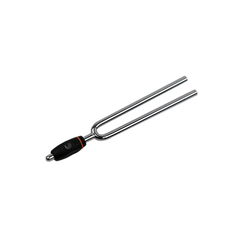
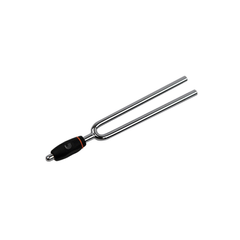
The classic German tuning fork. Polished aluminum construction, hand-tuned at Wittner's factory. Produces a clear, steady tone when struck. No batteries needed — works forever with proper care. Frequency remains accurate for 30+ years. Includes protective case. Industry standard in concert halls.
Wittner C512 Hz Steel
Type: Mechanical, hand-tuned
Best For: Piano tuning, harp tuning, string studios
Premium German tuning fork for precise middle-octave tuning. Steel construction for durability. Hand-tuned for accuracy. Used by professional piano technicians and conservatory studios worldwide. Ideal for teachers who tune school pianos or manage a full music studio. Comes with carrying case.
Korg TM-50 Digital Metronome + Tuner
Type: Digital electronic
Brand Origin: Japan
Best For: Band directors, conductors, rehearsals
Compact digital device that provides A440 Hz reference tone electronically. Doubles as a metronome. Battery-powered (AA batteries). Perfect for conductors who need quick pitch reference during rehearsals. Extremely accurate quartz-based tuning. Portable, durable, professional-grade.
Seiko STP-120 Quartz Tuning Fork
Type: Hybrid (mechanical fork, quartz-stable)
Brand Origin: Japan
Best For: Studios, rehearsal spaces, personal practice
Combines mechanical fork simplicity with quartz-crystal precision. A440 Hz frequency guaranteed stable for lifetime. No batteries needed. More affordable than Wittner. Excellent choice for music teachers and studio owners. Sealed construction prevents dust from affecting tines.
Yamaha TF-01 Premium Tuning Fork
Type: Mechanical, hand-tuned
Brand Origin: Japan
Best For: Professional musicians, concert pianists, conductors
Premium Japanese alternative to Wittner. Hand-crafted for superior sound quality. A440 Hz reference. Durable brass or aluminum construction. Ideal for musicians who demand highest precision. Comes with premium protective case. Equivalent to Wittner S-series quality.
Wittner Combo Set (A440 + C512)
Type: Mechanical, hand-tuned
Best For: Music schools, conservatories, complete studios
Two essential tuning forks in one package: A440 Hz for orchestras/choirs + C512 Hz for pianos/harps. Both hand-tuned by Wittner. Comes with dual protective case. Ideal for music teachers, school administrators, and professional studios needing complete tuning setup. Best value for multi-instrument teaching.
📊 Tuning Fork Comparison Table
| Model | Frequency | Type | Brand | Best For | Durability |
|---|---|---|---|---|---|
| Wittner A440 Aluminum | A440 Hz | Mechanical | Germany | Orchestras, choirs, studios | 30+ years |
| Wittner C512 Steel | C512 Hz | Mechanical | Germany | Piano tuning, string studios | 30+ years |
| Wittner A440 Brass | A440 Hz | Mechanical | Germany | Premium orchestras, philharmonics | Lifetime |
| Korg TM-50 | A440 Hz | Digital | Japan | Band directors, conductors | 10+ years |
| Korg CA-40 | Chromatic | Digital | Japan | All instruments, personal | 8+ years |
| Seiko STP-120 | A440 Hz | Quartz hybrid | Japan | Studios, rehearsals | Lifetime |
| Yamaha TF-01 | A440 Hz | Mechanical | Japan | Professional musicians | 30+ years |
| Wittner Combo | A440 + C512 | Mechanical | Germany | Music schools, studios | 30+ years |
Classic Rule: For orchestras and choirs, A440 Hz is sufficient. Buy C512 Hz only if you tune pianos regularly or teach multiple instruments. Wittner mechanical forks never fail — they're used in concert halls for 50+ years. If budget is tight, Seiko STP-120 offers 95% of Wittner quality at 60% of the price.
❓ FAQ: Tuning Forks — Questions & Answers
Why is A440 Hz called "concert pitch"?
A440 Hz was adopted as the international standard in 1939 to unify all orchestras and musicians worldwide. Before standardization, different countries and cities used different tuning frequencies (A435, A442, etc.), making it impossible to play together. Now, a violinist in Kyiv, a pianist in Berlin, and an opera singer in New York all tune to A440 Hz using tuning forks. This single frequency ensures universal compatibility.
Can I use a tuning fork if I've never used one before?
Absolutely. It's extremely simple: 1) Hold fork by the stem (not the tines). 2) Tap gently on your knee or rubber ball to make it vibrate. 3) Listen to the steady tone — that's your reference pitch. 4) Play your instrument and match the sound. Professional musicians use the same simple method. No experience needed. Wittner tuning forks are designed for ease of use.
What if I drop my tuning fork and it bends?
If the tines bend slightly, the fork may still work but produce incorrect frequency. If visibly bent, stop using it — bent tines will give you a wrong reference pitch. This would throw off your instrument tuning. Avoid dropping tuning forks by always storing them in their protective case. For orchestras, a hard case is essential during transport.
How often should I replace my tuning fork?
A quality mechanical tuning fork (Wittner, Yamaha) lasts your entire lifetime — 30+ years minimum with normal use. Frequency remains accurate. Replacement is only needed if physically damaged or bent. Digital tuners (Korg) may need battery replacement every 1-2 years, but the device itself lasts 8-10 years. A single Wittner tuning fork will serve a professional musician from their first concert to retirement.
Can I buy tuning forks in bulk for my school?
Yes. SoundsGood supplies orchestras, choirs, music schools, and conservatories through Ukraine's Prozorro government procurement system. We provide: Individual A440 forks (economy and premium), Bulk combo sets (A440 + C512), Educational discounts, Full certifications and documentation, Immediate fulfillment. Most popular school model: Wittner A440 Aluminum (10-20 unit packs) or Seiko STP-120 for budget-conscious programs. Contact us for quotes.
Is mechanical or digital better?
Mechanical (Wittner, Yamaha): No batteries, lasts forever, produces pure acoustic reference tone, preferred by professional orchestras. Digital (Korg): Accurate, portable, can provide multiple frequencies, convenient for conductors. For choirs and orchestras → mechanical. For band directors and personal practice → digital. Both are equally accurate when used properly.
Do I need a protective case?
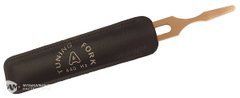
Essential for mechanical tuning forks. Cases protect delicate tines from bending or breaking during transport. Even a small dent affects frequency accuracy. All Wittner, Yamaha, and Seiko forks come with protective cases. If you travel or transport your fork, invest in a hard plastic case. Musicians who use tuning forks regularly (orchestras, studios) never travel without a case.
Can I use tuning fork and digital tuner together?
Yes. Many orchestras use both: mechanical tuning fork (Wittner A440) for initial warm-up before rehearsal, then digital tuner (Korg TM-50) for quick reference checks during the session. Redundancy ensures absolute pitch accuracy. For professional settings, both tools complement each other perfectly.
⭐ Why SoundsGood for Tuning Forks?
100% Authentic
Direct partnership with Wittner (Germany), Korg (Japan), Seiko (Japan), and Yamaha. All certificates of authenticity included.
Expert Consultation
Our staff includes musicians and conductors. We help you choose the exact model for your use case — orchestra, choir, studio, or personal practice.
Fast Delivery
Nova Poshta across Ukraine (1-2 days). Same-day pickup in Kyiv available. Secure packaging protects tuning forks during transport.
Best Prices
Competitive pricing on all brands. Bulk discounts for music schools and orchestras. Educational pricing available.
Approved Supplier
SoundsGood is an approved supplier through Prozorro for Ukrainian government institutions. We work with music schools, conservatories, and philharmonic orchestras nationwide.
No Hassle Returns
30-day return policy. If you choose the wrong frequency or model, exchange for free. Your satisfaction guaranteed.
🔎 Popular Tuning Fork Queries Answered
Where to buy Wittner tuning fork?
A440 Hz or C512 Hz which is better?
Korg vs Wittner tuning fork
Tuning fork for orchestra warm-up
How to use a tuning fork correctly
Digital vs mechanical tuning fork
Tuning forks for music schools Ukraine
Piano tuning fork C512
Wittner tuning fork case included?
Best tuning fork for choir
🛍️ All Tuning Fork Models at SoundsGood
Wittner
A440 Hz Aluminum
Hand-tuned German mechanical fork. Classic polished aluminum. Standard for orchestras worldwide.
→ View Product WittnerC512 Hz Steel
Premium German fork for piano & harp tuning. Hand-tuned for middle-octave precision.
→ View Product WittnerA440 Hz Brass
Premium brass construction. Warm tone. For professional philharmonic orchestras.
→ View Product KorgTM-50 Digital Tuner + Metronome
Compact Japanese digital tuner with metronome. A440 Hz reference. Perfect for conductors.
→ View Product KorgCA-40 Chromatic Tuner
Digital chromatic tuner for all instruments. Multiple tuning modes. Extremely portable.
→ View Product SeikoSTP-120 Quartz Fork
Hybrid quartz-precise fork. A440 Hz. Affordable alternative to Wittner. Lifetime accuracy.
→ View Product YamahaTF-01 Premium Fork
Hand-crafted Japanese mechanical fork. A440 Hz. Equivalent to Wittner quality. Professional-grade.
→ View Product WittnerCombo Set A440 + C512
Two essential forks in one package. Perfect for music schools, studios, teachers. Best value.
→ View Product🎹 Related Categories You Might Like
📞 Contact SoundsGood — We're Here to Help
📍 Kyiv Showroom
vul. Olzhycha, 15, Kyiv, 04116
Metro: Dorohozhychi
🇺🇦 Shipping
Nova Poshta across Ukraine
From 1 day. Pickup in Kyiv available.