Establish what the word loudspeaker refers to
Loudspeaker can describe a complete acoustic system or an individual transducer intended for installation in an enclosure. Distinguish those products at the start of selection. A complete powered cabinet includes its enclosure, amplification and specified inputs. A separate driver is a component whose performance depends on the appropriate enclosure, filtering and remaining system.
Describe the intended outcome: reinforcing a performance, replacing a faulty part or developing a new design. An event needs operational readiness, connections and audience coverage. A repair needs an accurate replacement and an understanding of the failure. A new design needs full parameters and calculations. An identical nominal size does not make these options interchangeable, and the lowest component price is not the price of a complete working system.
A complete powered system: JBL SRX815P
JBL SRX815P is a complete powered two-way loudspeaker with DSP, rather than a separate low-frequency driver. When selecting this format, check the sources, required inputs, level control and installation method. Do not directly compare the built-in amplifier's advertised power with a separate component's power-handling figure because they describe different parts of the equipment.
For sound reinforcement, draw the route from the mixer or other source to every cabinet. Consider audience distance, microphone placement and whether subwoofers are needed. Built-in processing supports adjustment but does not replace suitable placement. Apply the correct operating mode according to the model documentation instead of borrowing unrelated speaker presets. Before an event, test available headroom, routing and access to controls under the actual working conditions. Include the equipment and cabling that will be used on the day.
Preparing information for a driver replacement
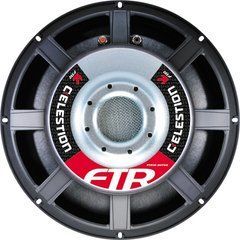
For HL Audio components and other replacement parts, start with identification. Provide the complete system name, existing driver part number, a photograph of its label and details of previous repairs. If the label is missing, dimensions can narrow the search but cannot establish acoustic compatibility. Avoid selecting an unknown part solely by cone colour or magnet shape.
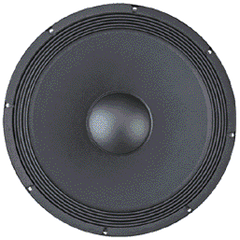
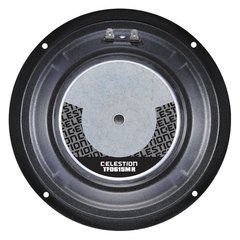
Check the cut-out diameter, external basket dimensions, fixing-hole pattern, mounting depth and terminal clearance separately. A component may fit the opening yet touch internal structures or fail to provide the necessary seal. Preserve original identification before dismantling where possible. For a factory-built loudspeaker, a manufacturer-approved replacement or service specification is the strongest reference, rather than a superficially similar specification list. Record the information clearly so a service provider can distinguish the original configuration from later modifications.
Electrical parameters and the enclosure
Impedance, sensitivity, operating range and power handling affect the driver's interaction with amplification and filters. Changing impedance can alter the load and the behaviour of a passive crossover. Different sensitivity can disturb the balance between frequency sections. The statement same diameter and more watts is therefore not sufficient justification for an upgrade.
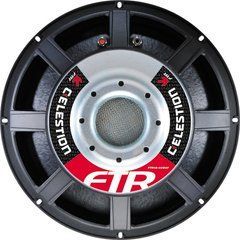
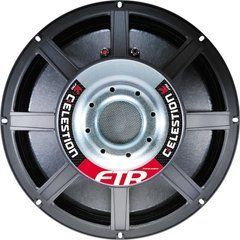
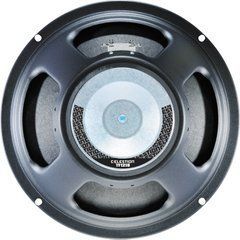
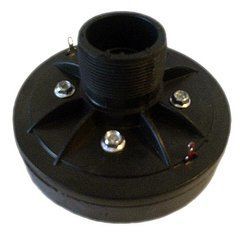
A low-frequency driver must also suit the enclosure volume and tuning. Thiele–Small parameters help evaluate that interaction and cannot be replaced by one resonance-frequency figure. For a high-frequency assembly, check the connection type, horn compatibility and intended operating range. Do not transfer the complete cabinet's specifications to a component inside it. Where full documentation is unavailable, compatibility needs confirmation before ordering rather than an experiment after installation. Mechanical fit is one check within that process, not its conclusion.
Identify the fault and the limits of a replacement
Before buying a new transducer, establish why the previous one stopped working. The problem may involve a cable, contact, filter, amplifier or the driver itself. Replacing a healthy part will not repair a fault elsewhere. If unsuitable operating conditions caused the damage, a new component can fail again under the same circumstances.
The appropriate diagnosis depends on the documentation and system design. Internal electronics work on powered loudspeakers is best coordinated with a suitable service provider. Do not increase the operating level simply because a replacement part carries a higher wattage figure. Enclosure, filters, limiters and amplification remain parts of one signal chain. Changing component type can become a redesign requiring measurement and whole-system assessment, rather than a straightforward mechanical substitution. Define whether the intention is restoration or modification before choosing parts.
Contents, installation and checks after the work
Confirm exactly what is sold: a complete system, cone driver, compression driver or another assembly. Check quantity, included fixings, sealing parts and required connections. Add service work to the cost where needed. For a new build, include cables, amplification, enclosure and setup. A clear specification makes it possible to compare solutions that actually perform the same job.
After installation, test gradually at low level, checking channel assignment, unusual noises and consistency with the second cabinet. Record the installed part number and work date. If an approved alternative was used, retain its compatibility confirmation. For a complete powered system, test inputs, selected operating mode and volume adjustment. Judge the outcome against the intended application rather than only whether sound appears when power is switched on.
Before an event or extended listening session, test the package with the familiar sources and cables. If an intermittent connection or unexpected noise appears, identify the cause instead of disguising it with equalisation. Sequential checks help separate installation faults from settings and avoid dismantling the system again after it enters service. A brief record of the test conditions also makes any later changes easier to assess.
SoundsGood supplies sound equipment for educational institutions, studios, concert halls, conference rooms, and public and private organisations. A technical brief can be used to agree on system components, specifications, a commercial quotation, documentation and delivery arrangements.