


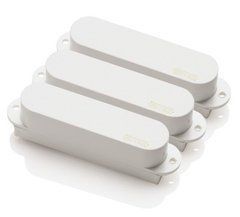
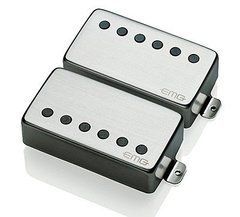


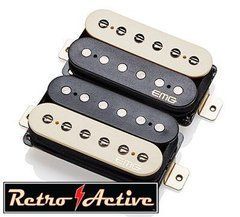


|
Quantity
|
Cost
|
||
|
|
|||
|
|
|||
Pickup Sets — buy with discount at SoundsGood
A pickup set coordinates several positions by output, tone, polarity and switching options. It can simplify a complete electric guitar or bass upgrade, but a set does not always include the complete electronics. Check pots, switch, jack, wiring and mounting hardware separately. Start with the instrument layout and desired combinations rather than just the number of pickups in the box.
What a suitable pickup can offer
Attack response
Compare finger, pick and accent response with your own technique.
Frequency balance
Choose a response suited to the instrument and ensemble role.
String balance
Suitable construction and setup support balanced response.
Practical connection
Plan the interface to amplification, preamp or recording equipment.
Mounting options
Choose permanent or removable systems for the actual instrument and use.
Noise management
Appropriate construction and wiring address specific interference sources.
Playability
Installation should preserve suitable action, control access and cable routing.
Planned upgrade
A complete specification identifies parts and fitting work before replacement.
Position balance and switching
Check which units serve neck, middle and bridge positions. A matched set simplifies selection, but each pickup still needs height adjustment on the instrument. Combined sounds depend on phase, polarity and wiring. Additional modes require appropriate leads and a compatible switch.
What the package includes
A set may contain only two or three pickups or a complete harness with pots and jack. Check the parts list, pot shaft lengths, switch dimensions and power space. Solderless connections between some components do not guarantee tool-free installation or eliminate all instrument modification.
Output, magnets and resistance
DC resistance in kilohms is not a universal output scale. Coil construction, wire, magnets and the complete circuit all contribute. Compare specifications within their design context and recordings made under comparable conditions. Magnet material alone does not define tone; the complete pickup construction matters.
Controls, cable and loading
Volume and tone controls and cable capacitance interact with passive magnetic pickups. Replacing only the pickup may sound different from a demonstration using other electronics. Choose component values from the correct wiring guidance and intended operation. Do not automatically carry passive-system values into an active installation.
Key selection specifications
Mechanical fit
Dimensions, depth, holes, string spacing and mounting method.
Electrical interface
Leads, connectors, controls, loading and supported modes.
Power
Passive operation or the supply specified for the system.
Package contents
Mounts, cables, preamp and accessories according to the parts list.
Active or passive system
A passive pickup needs no power of its own but may feed an active preamp. Active electronics require the source specified by their manufacturer. Check battery or other supply type, compartment dimensions and access. Do not apply phantom power without explicit support; a cable or adapter does not establish compatibility.
Installation and wiring
Check drawings, supplied parts and the exact model’s wiring diagram before work. Wire colours, connectors and pin assignments differ between manufacturers. Use an experienced technician for soldering, drilling or saddle work. Agree modifications beforehand, especially on an instrument under warranty, and retain original parts when restoration may matter.
Post-installation setup
Test every string, switch position and control, including the strongest accents. Start magnetic pickups at the recommended height and refine within appropriate limits. Check contact systems for even vibration transfer and rattles. Excessive EQ or maximum gain should not be used to disguise poor installation.
Recording, rehearsals and noise diagnosis
Compare through the same cables, inputs and settings at matched perceived loudness. If noise appears, check cables, contacts, power and surroundings systematically. Acoustic feedback and electromagnetic hum have different causes and remedies. Keep short clean recordings to judge the actual change after an upgrade.
Construction comparison
| Construction | What to check | When to consider it |
|---|---|---|
| Conventional single coil | Dimensions, polarity, hum | Single-coil attack and familiar combinations |
| Humbucker | Mounts, leads, string spacing | Hum reduction and a range of output levels |
| Noiseless narrow format | Depth, wiring, response | Lower hum within a restricted mounting format |
| Active system | Power, controls, jack | Operation with integrated active electronics |
Before you buy
- Record the exact instrument, string count and material, and upgrade goal.
- Measure the mounting and sensing area against the official drawing.
- Confirm wiring, controls, power and the following input.
- Check package contents and agree fitting work with a technician.
- Confirm the individual item’s price, discount, warranty and delivery terms.
International brands: reference guide
The following pickup and amplification brands are reference points. This is neither an exhaustive worldwide manufacturer list nor a statement of current SoundsGood inventory. A brand name does not establish availability, package contents or compatibility of every model with your instrument. Check current products and specifications individually.
Seymour DuncanDiMarzioEMGFishmanFenderGibsonLollarFralin PickupsBare Knuckle PickupsLaceKinmanRailhammerBartoliniNordstrand AudioAguilarDelanoHäusselKloppmannSuhrMojotoneToneriderKent ArmstrongTV JonesLundgrenRoswell
Tenders, Prozorro and corporate procurement
For music schools, studios, cultural institutions and corporate buyers, we prepare an offer from the instrument list and technical requirements. Specify sensing type, mechanical and electrical compatibility, included components, quantities and installation needs. For Prozorro procurement, the buyer’s documentation informs the offer; timing, price, warranty terms and supply contents are agreed separately. A reference brand listing does not replace an agreed specification.
Frequently asked questions
Does a set always include wiring?
No. Check the complete parts list.
Does a matched set still need setup?
Yes. Adjust height and balance on the actual instrument.
Does solderless mean no technician is needed?
Not necessarily; mounting, jack or switch work may remain.
Can pickups from different sets be mixed?
With a compatible circuit, but check balance, polarity and phase.
Does every pickup need a battery?
No. Passive pickups need no power of their own; active electronics require their specified supply.
Can I install it myself?
That depends on the model and work required. Use an experienced technician for soldering, drilling and component fitting.
Are all parts included?
Not always. Check mounts, wiring, controls, jack and preamp against the package contents before ordering.
Can an institution request a quotation?
Yes. Provide instrument models, quantities and requirements to prepare an offer and agree terms, including procurement through Prozorro.
Related categories
Why SoundsGood
Official warranty
Manufacturer or importer warranty according to the individual product terms.
Installment payments
PrivatBank and monobank; availability and payment counts are shown on the product page.
Delivery across Ukraine
Free delivery from UAH 4,000, Nova Poshta and collection under store terms.
Professional selection
By instrument model, dimensions, electronics and desired playing response.
Where to buy and how to order
Buy a pickup from SoundsGood. Provide the instrument model, string type, mounting dimensions and desired tonal change. Include existing controls and amplification so compatibility and required parts can be assessed. Availability, the current discount and dispatch timing are confirmed for the individual order.
+380 (73) 060 01 01