




|
Quantity
|
Cost
|
||
|
|
|||
|
|
|||
SoundsGood · piccolos for students, ensembles and orchestras
Piccolo Flutes — buy at SoundsGood
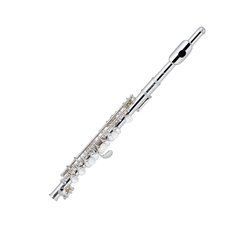
Student, orchestral and professional piccolos made of metal, ABS composite and grenadilla. We help compare mechanism, body material, headjoint, intonation and package for music school, ensemble or symphony orchestra.
01
Professional adviceBy level, material, intonation, mechanism and budget.
02
Official warrantyManufacturer or official importer warranty.
03
Installment paymentsConvenient installment options from partner banks.
04
Delivery from UAH 4,000Free delivery on qualifying orders across Ukraine.
Construction and materials
Main types of piccolo flutes
Piccolo material and construction affect weight, stability, projection, tone and care requirements.
01
Metal piccolos
Practical for students, marching and outdoor work; quick response, bright attack and good tolerance of changing conditions.
02
ABS and composite
A stable material less sensitive to humidity and temperature, convenient for school, orchestra and touring.
03
Grenadilla piccolos
Professional wood models with a rounder, richer tone; they require gradual break-in and humidity control.
04
Combination construction
A wood or composite body may be paired with a metal headjoint for a different response and projection.
The piccolo sounds one octave above written pitch. It is a distinct orchestral instrument, not simply a short concert flute.
SoundsGood catalogue
Piccolo flutes at SoundsGood
The category includes student and professional models for school, stage and orchestra.
01
YAMAHA YPC-32
ABS body with silver-plated headjoint for study, ensemble use and stable performance in changing conditions.
02
YAMAHA YPC-62 and YPC-62M
Professional grenadilla piccolos with orchestral character, precision mechanism and different headjoint configurations.
03
Armstrong 209 and 250
Student and orchestral instruments from the American tradition with practical mechanism and familiar ergonomics.
04
Startone SPF-100
An accessible model for first experience with piccolo and basic study tasks.
Stock and package contents change. Confirm the exact article number, body material, headjoint type, case and warranty before ordering.
Selection criteria
How to choose a piccolo flute
A piccolo should be stable in the upper register, comfortable in the hands and suitable for the player’s acoustics and musical work.
01
Player level
Beginners need predictable response and reliable mechanism; orchestral players need accurate intonation, flexible dynamics and tonal control.
02
Material and environment
Metal or ABS is practical for marching and outdoors; grenadilla is often chosen for symphony orchestra.
03
Headjoint and embouchure
Embouchure-hole geometry, lip plate, riser and cut determine resistance, attack and control of piano and the upper register.
04
Ergonomics and mechanism
Check key position, springs, play, trill keys, pad action and right-hand comfort.
When possible, test a piccolo in an orchestral hall and ask a colleague to listen from a distance: projection can differ from what the player hears.
Comparison
Student, orchestral or professional piccolo
The right level depends on intonation stability, tonal demands, playing environment and mechanism durability.
01
For beginners
Metal or composite models with easy response, familiar fingering and accessible service.
02
For music school
Durable mechanism, stable body material and a protective case for regular lessons and transport.
03
For concert band
Strong projection, reliability in changing conditions and precise attack for marching and concert programmes.
04
For symphony orchestra
Grenadilla body, professional headjoint, fine dynamics, intonation control and a tone that blends with the section.
An expensive wood piccolo cannot compensate for embouchure problems; dedicated piccolo technique is valuable when transitioning from flute.
Care and service
How to care for a piccolo flute
A piccolo collects substantial moisture in its narrow bore, so cleaning after use and temperature control are especially important.
01
Swab after playing
Carefully disassemble the instrument and remove moisture with a thin cleaning rod and soft cloth.
02
Protect the wood
Do not play a cold grenadilla instrument and avoid sudden temperature changes to reduce cracking risk.
03
Oil only when required
Use bore oil only according to manufacturer or technician guidance; excess oil can damage pads.
04
Scheduled service
A specialist should regularly check pad seal, headjoint cork, regulation and mechanical play.
Do not leave a wet piccolo sealed in an airtight case. Let it dry safely, away from direct sunlight and heating.
Price and package
What determines piccolo prices
Price depends on material, mechanism quality, handwork, headjoint, case, regulation and service support.
01
Student range
Metal and ABS models are more affordable, easier to maintain and practical for intensive learning.
02
Professional wood
Selected grenadilla, material seasoning and precision machining raise the price.
03
Mechanism and intonation
Hand-fitted keys, premium pads and acoustic voicing require more work.
04
Headjoint and package
A separate professional headjoint, case, cover, cleaning rod and factory regulation affect the final cost.
Before payment, confirm that the model fits your use and that package contents and warranty are clearly stated on the product page.
Brands and flute specialists
Global piccolo-flute and professional equipment brands
Brands in the current SoundsGood category are separated from modern makers, historical schools, accessories and international flute specialists.
In the SoundsGood catalogue
Brands shown in category filters and product cards for piccolo flutes.
ArmstrongStartoneYAMAHA
Modern piccolo makers
Leading makers of student, orchestral and handmade piccolos.
BurkartVerne Q. Powell FlutesPhilipp HammigJohannes HammigBernhard HammigKeefe PiccoloBulgheroniPearl FlutesYAMAHAGemeinhardtArmstrongJupiterDi ZhaoTrevor JamesRoy SeamanZentnerBraun PiccoloNagaharaResona by BurkartGuo New VoiceSchreiberAkiyama Flutes
Historic brands and workshops
Makers that shaped the European and American flute and piccolo traditions.
Wm. S. HaynesLouis LotBonnevilleClaude LaurentGodfroyRudall CarteBoosey & HawkesHenri SELMER ParisArtleyEmersonLeblancNobletMarigauxE. J. AlbertKohlertHammig
Headjoints, pads, cases and accessories
Makers and brands specialising in professional components, care, protection and stands.
ManckeBurkartKeefe PiccoloBraun PiccoloNagaharaGuo New VoiceSong HeadjointsStraubinger PadsPisoniValentinoJS GoldRoi MasterProtecBAMWisemanAltieriGard BagsMarcus BonnaKönig & MeyerHerculesWoodWindDesignBG FranceYAMAHAJL Smith
International flute specialists
Specialist centres working with professional piccolo selection, service and sales.
Flute Center of New YorkFlute WorldJust FlutesCarolyn Nussbaum MusicFlutistry BostonRose MusicAll Flutes PlusJL SmithWind Plus WoodwindsFlute SpecialistsThe Flute ShopFlute Pro ShopFlute AuthorityFlute World AustraliaThe Wind Section
This global directory does not imply permanent SoundsGood stock for every brand. Check current models and lead times in the catalogue or with a manager.
For institutions and orchestras
Piccolo flutes for music schools, orchestras and Prozorro
SoundsGood can select piccolos by material, mechanism, level, package and technical-specification requirements.
01
Technical specification
We confirm body and headjoint material, mechanism, pitch, case, accessories and acceptable equivalents.
02
Commercial proposal
We prepare models, current prices, delivery times and replacement options.
03
Procurement documents
We provide invoices, contracts, warranty documents and materials for Prozorro.
Practical answers
Frequently asked questions about piccolo flutes
How is a piccolo different from a concert flute?
A piccolo is much smaller and sounds one octave above written pitch. It has different resistance, requires a more precise embouchure and covers the orchestra’s highest register.
Which piccolo is suitable for a beginner?
Metal or ABS models with stable mechanism, easy response and accessible service are practical starting choices.
Is a wood or metal piccolo better?
Metal and ABS tolerate changing conditions and suit study or marching. Grenadilla is valued for orchestral tone but is more sensitive to temperature and humidity.
Why is piccolo intonation difficult?
The high register is sensitive to embouchure, air speed and temperature. Precise support, tuner work and regular headjoint-cork checks are important.
How can cracks in a wood piccolo be avoided?
Warm the instrument gradually, never play it while cold, remove moisture after playing and avoid sudden temperature changes.
Are discounts, delivery and installments available?
The current discount is shown on the product page. SoundsGood offers free delivery from UAH 4,000, installment payments and official warranty.
Need help choosing a piccolo?
Call SoundsGood: we will compare materials, mechanism and package, check availability and help place an order with a discount.