


|
Quantity
|
Cost
|
||
|
|
|||
|
|
|||
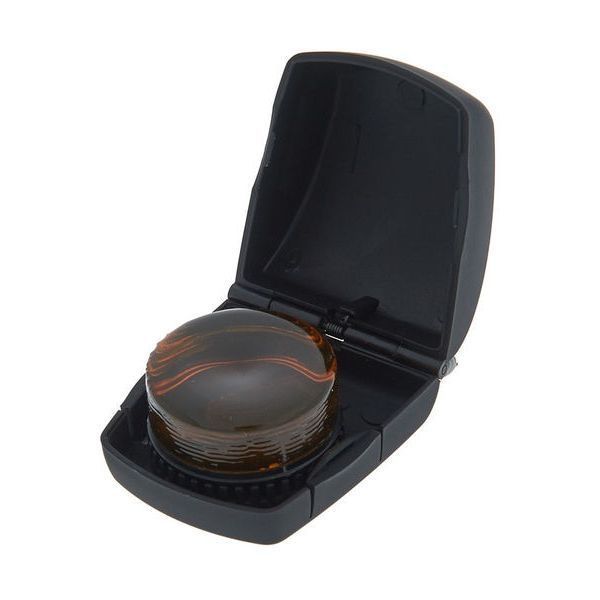
🎻 Classic — Professional Rosin for Violin
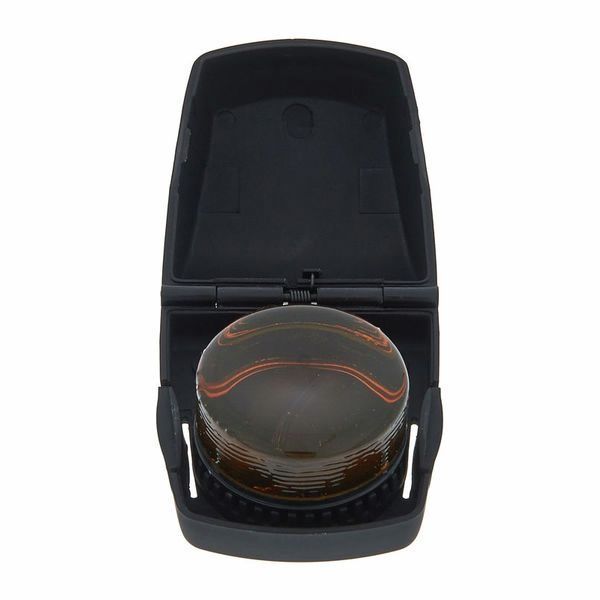
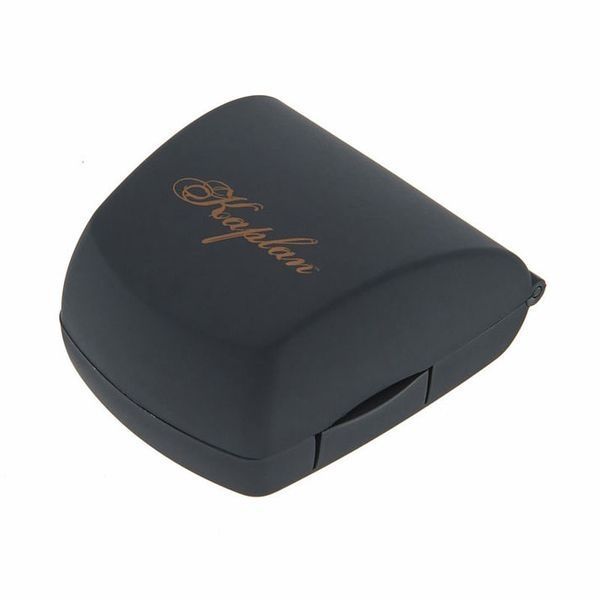
Rosin D'Addario Premium Hell is a professional rosin from D'Addario, specially designed for Violin.
The Classic series is known for premium characteristics: optimal bow grip, clean sound without excess dust.
Suitable for both professionals and students.
🎵 Characteristics
- ✔️ Optimal grip — bow control
- ✔️ Clean sound — minimal dust
- ✔️ Long-lasting
- ✔️ Stable consistency
- ✔️ Suitable for various climates
👤 Who It's For
- 🎯 Professional musicians
- 🎯 Conservatory students
- 🎯 Chamber musicians
- 🎯 Orchestra musicians
📊 Rosin Comparison
| Rosin | Brand | For Instruments | Character | Level |
|---|---|---|---|---|
| Evah Pirazzi Gold | Pirastro | Violin/Viola | Premium | Professional |
| Goldflex | Pirastro | Violin/Viola | Universal | Professional |
| Obligato | Pirastro | Violin/Viola | Warm | Professional |
| Tonica | Pirastro | Violin/Viola | Bright | Intermediate+ |
| Larsen | Larsen | Various | Danish quality | Professional |
| Hidersine | Hidersine | Various | Affordable | Student |
🎯 How to Use Rosin Properly
- New bow preparation: New hair has no rosin — apply 10-15 strokes
- Regular use: 2-4 strokes before each playing
- Even application: Stroke along the entire hair length
- Don't over-apply: Excess creates dust
- Storage: Keep in case, protected from dust
Signs you need more rosin:
- 🔸 Bow "slides" on strings
- 🔸 Sound is weak and unclear
Signs of excess:
- 🔹 Lots of white dust
- 🔹 "Scratchy" sound
🎯 How to Choose Rosin — Complete Guide
By Instrument Type:
- Violin/Viola: Standard medium hardness — Goldflex, Obligato
- Cello: Softer with more grip — Cellisto, Larsen
- Double Bass: Softest — Bass, Pops
By String Type:
- Synthetic: Goldflex, Obligato — optimal balance
- Steel: Tonica, Gold — brighter
- Gut: Oliv, Eudoxa — traditional formula
By Climate:
- Dry: Softer (dark)
- Humid: Harder (light)
- Tropical: Special — Tropical
🛡️ Rosin Care
- 🎻 Store in case — dust protection
- 🎻 Avoid temperature changes
- 🎻 Keep away from sunlight
- 🎻 Don't touch with fingers
- 🎻 Clean strings from residue
🏭 About D'Addario
D'Addario — leading accessories manufacturer founded in 1974 in USA 🇺🇸.
❓ FAQ
How often to apply rosin?
2-4 strokes before each playing. New bow — 10-15 strokes.
Light vs dark rosin?
Light — harder, for warm climate. Dark — softer, for cold.
Which for beginners?
Pirastro Tonica, Gold or Hidersine — good quality/price balance.
Is this original?
Yes, SoundsGood sells only 100% original with warranty.
🚚 Delivery and Warranty
- ✅ 100% Original
- ✅ Official Warranty
- 🚚 Free Delivery from 4000 UAH
- 📦 Same-day Shipping
- 💳 Installments available
📜 History of Rosin for Bowed Instruments
Rosin has been used by musicians for over 300 years. It's a solid resin obtained from pine and other coniferous trees.
- 17th-18th centuries: First rosin manufacturers in Europe — France, Italy, Germany
- 1798: Pirastro founded in Germany — industrial production begins
- 19th century: Hill in England sets quality standards
- 20th century: Development of specialized formulas for different instruments
- Today: High-tech formulas with gold, silver, metal additives
🔬 How Rosin Works
Rosin creates friction between bow hair and string, allowing sound production:
- Grip: Microscopic rosin particles grip the string
- Slide: Controlled sliding occurs during bow movement
- Vibration: This causes string vibration and creates sound
- Hardness: Harder rosin — easier sliding; softer — more grip
💡 Professional Tips
- 🎻 Don't economize: Quality rosin pays off with better sound
- 🎻 Experiment: Try different brands for your instrument
- 🎻 Match: Pair rosin with your string type
- 🎻 Seasonal: Change rosin type in winter and summer
- 🎻 Cleanliness: Regularly clean strings from residue
- 🎻 Storage: Always store in case
🏭 Rosin Brand Histories
Pirastro (Germany, 1798)
Oldest strings and accessories manufacturer. Rosin lineup includes specialized formulas for each string series.
Thomastik (Austria, 1919)
Austrian quality and innovation. Known for Tropical rosin for humid climates.
Hill (England, ~1880)
British classic. Hill Dark and Hill Light have been quality standards for over 100 years.
Larsen (Denmark, 1976)
Danish quality. Specialized rosin for cello and viola.
Andrea (Italy, 2000)
Italian innovations. Premium formulas: Solo, Orchestra, Tartini.
⚠️ Common Rosin Mistakes
| Mistake | Consequences | Solution |
|---|---|---|
| Too much rosin | Dust, "scratchy" sound | 2-4 strokes are enough |
| Too little rosin | Bow slides, weak sound | Add a few more strokes |
| Uneven application | Different sound in different bow parts | Stroke along entire length |
| Finger touching | Oil degrades quality | Hold by edges or use cloth pouch |
| Sun storage | Softening, cracking | Store in case |
| Using someone else's rosin | Incompatibility with your instrument | Find your ideal rosin |
🌡️ Rosin and Climate
Climate significantly affects rosin choice and behavior:
Cold/Dry Climate (winter, heating)
- Use soft (dark) rosin
- It grips better at low humidity
- Recommended: Pirastro Oliv, Hill Dark, soft formulas
Warm/Humid Climate (summer, tropics)
- Use hard (light) rosin
- It's less sticky at high humidity
- Recommended: Thomastik Tropical, Hill Light, hard formulas
Moderate Climate
- Universal formulas work best
- Recommended: Pirastro Goldflex, Obligato, Gold
🎵 Matching Rosin and Strings
For optimal sound, match rosin to your string type:
| String Type | Recommended Rosin | Why |
|---|---|---|
| Evah Pirazzi | Evah Pirazzi Gold, Goldflex | Optimized for each other |
| Obligato | Obligato, Goldflex | Warm grip for synthetic |
| Dominant | Goldflex, Gold | Universal match |
| Tonica | Tonica, Goldflex | Bright response |
| Oliv/Passione (gut) | Oliv, Eudoxa | Traditional formula for gut |
| Steel | Gold, Schwarz | Good grip for metal |
| Larsen | Larsen Rosin | Danish quality together |
🌟 Professional Choice
Many renowned musicians use specific rosin combinations:
- Soloists: Andrea Solo, Evah Pirazzi Gold — maximum control and projection
- Orchestra musicians: Goldflex, Obligato — balanced grip for extended playing
- Chamber musicians: Hill, Larsen — clean sound without excess noise
- Baroque ensembles: Oliv, Eudoxa — authenticity with gut strings