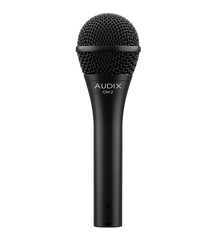
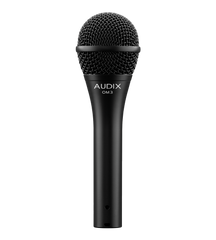
What dynamic construction means for a vocalist
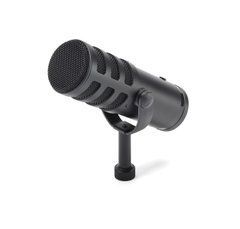
This subcategory primarily considers dynamic microphones for singing and speech. In a moving-coil design, the diaphragm is connected to an element that produces an electrical signal as it moves in a magnetic field. That explains the operating principle, but does not determine the polar pattern, frequency balance or output level of an individual model. Two dynamic microphones can present the same voice differently, so compare them in a normal working position.
For rehearsals, presenting and live vocals, grille design, internal air protection, capsule isolation and handling comfort also matter. The word dynamic does not guarantee resistance to every impact or wet environment; the manufacturer defines operating conditions. For a shared performance kit, assess how easily it produces understandable speech without complicated correction and whether it fits a stand conveniently. Brand names help identify products, but do not replace model specifications or a practical assessment of comfort.
Sensitivity and required preamplification
A passive dynamic capsule normally does not need phantom power to generate its signal. However, generating a signal does not establish sufficient level for every input. The microphone preamplifier must provide suitable gain, particularly for quiet speech or singing at a distance. Check that the receiving input is configured for a microphone; line and instrument modes may have different characteristics. A physically fitting connector does not establish electrical compatibility.
If recording level is low, begin with distance, input selection, gain and cable condition. Not every setup needs an additional booster. Assess the actual voice: is level sufficient, what noise appears in pauses, and is there headroom for loud phrases? Models with active electronics or digital interfaces can have different power arrangements. Do not transfer a rule for a passive XLR microphone to every device containing a dynamic capsule. The complete connection, including any additional electronics, should follow the relevant documentation.
Room noise and close positioning
A dynamic microphone does not automatically remove room noise. When the singer is distant and gain is high, surrounding sound also becomes noticeable. A closer, consistent position often helps voice capture, but must be balanced against tone and air protection. Directional designs may produce more bass at close distances. Compare word clarity, vowel balance and behaviour during normal movement, rather than judging level alone.
For home recording, move unwanted noise sources away from the working area where practical, and check the microphone's least-sensitive direction. Do not expect a narrow pattern to eliminate wall reflections completely. In rehearsal, also assess guitar amplifiers and drums: a more moderate overall level can improve vocal balance without replacing the microphone. Listen with the music, since spill and tonal correction sound different during a solo test. Maintaining a repeatable working distance makes the comparison more informative and the finished recording more consistent.
Handling, monitors and switches
Hold the microphone as you will during performance. Assess balance, weight, body finish and noise when changing grip. If it has a switch, decide whether the performer needs it and whether accidental muting is likely. For a fixed position, check the holder, thread adapter and cable direction. Hand movement should not strain the connection or force repeated changes in angle to the mouth.
Avoid covering the grille with the hand. Grip can change acoustic behaviour and therefore performance near a monitor. Position the monitor according to the specific polar pattern rather than assuming all dynamic microphones behave identically. During soundcheck, test loud and quiet phrases, movement and changes between stand and handheld use. Where several vocal channels are open, listen with the full group to assess the real stage balance. A single microphone in an empty room does not represent every condition encountered during a concert.
Recording, speech and a complete package
A dynamic vocal model can be practical for demos or spoken material when the connection and preamplifier suit the task. An XLR microphone does not become a USB device simply by changing connector shape; a computer needs an appropriate interface or another compatible solution. Decide how you will monitor, whether separate tracks are required and how many people will work simultaneously. This helps calculate the complete budget and avoid unnecessary adapters.
The package may need a cable, stand, holder, pop screen or windscreen. Check accessories against the exact product code, as similar names can describe different bundles. A presenter needs intelligible speech without continual adjustment, while a singer needs comfortable operation during the loudest passage. Record a short test with a pause and listen before adding effects. This makes it easier to separate room problems from connection problems. Also check stand stability and whether the position remains comfortable during longer sessions.
Practical answers before purchasing
Is 48 V required? Normally not for a passive moving-coil model, but check the device and any added electronics. Why is the gain control high? That may reflect sensitivity and source level; assess noise and headroom rather than knob position alone. Can it capture an instrument? Suitability depends on response, sound-pressure capability, placement and mounting, not only its position in a vocal category.
For selection, explain whether the microphone is for stage, rehearsal or recording, identify the available input and monitor, and describe the current vocal sound. For several units, provide the simultaneous performer count. Check care instructions, compatible protective parts and supplied accessories. A suitable dynamic microphone should provide predictable results with existing equipment, be comfortable in daily use and avoid an unnecessarily complicated connection arrangement. Comparing it with your own voice helps turn the specification list into a meaningful purchasing decision.
SoundsGood supplies sound equipment for educational institutions, studios, concert halls, conference rooms, and public and private organisations. A technical brief can be used to agree on system components, specifications, a commercial quotation, documentation and delivery arrangements.