


|
Quantity
|
Cost
|
||
|
|
|||
|
|
|||
Reeds at the SoundsGood store
Reeds for Clarinet and Saxophone — Buy at SoundsGood
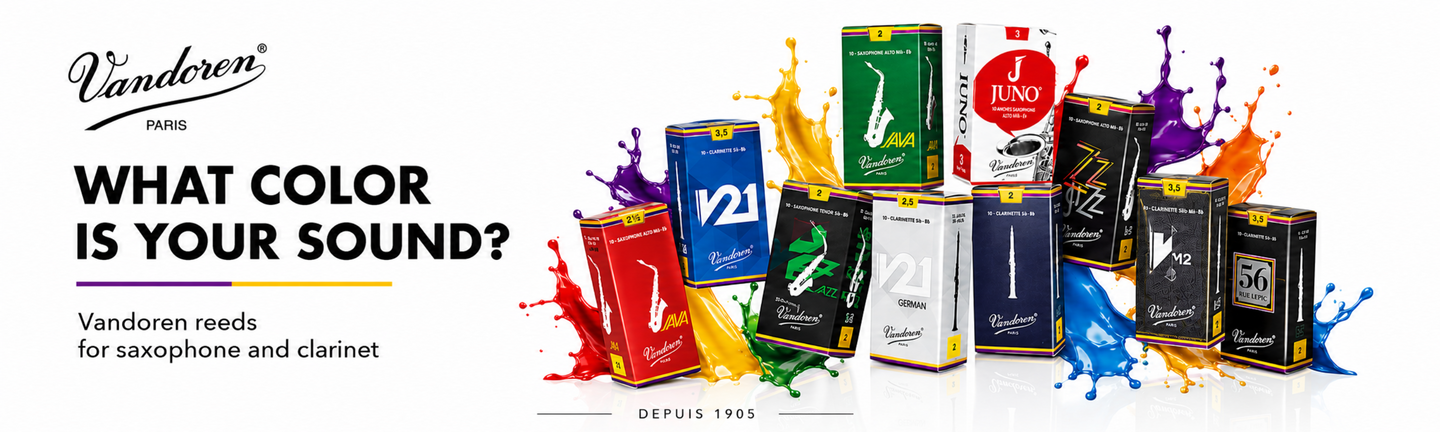
Natural cane, synthetic and hybrid reeds for clarinet and saxophone: for study, ensemble, orchestra, studio and stage. We help match the instrument, mouthpiece, strength, cut and required quantity.
Official warrantyFrom the manufacturer or importer
Installment paymentsPrivatBank and monobank
Delivery across UkraineNova Poshta and pickup
Professional selectionFor your level and playing style
Shop by instrument
Reeds for clarinet and saxophone
A reed must fit the specific instrument and mouthpiece. Products with similar dimensions are not necessarily interchangeable.
1
Clarinet reeds
Models for Bb, A and Eb clarinets and bass clarinet. Mouthpiece system, vamp length, cut and strength all matter when choosing.
2
Saxophone reeds
Dedicated sizes for soprano, alto, tenor and baritone saxophone. They differ in dimensions, heart thickness, tip shape and response.
3
Student to professional
Consistent student series, versatile models for regular practice, and specialist classical or jazz cuts for experienced players.
Practical checklist
How to choose a reed
Start with the exact instrument and mouthpiece specification, not the brand alone. Then compare strength, cut, material and pack format.
1
Instrument and mouthpiece
Specify the clarinet or saxophone type, mouthpiece model and tip opening. A more open mouthpiece often pairs with a softer reed, but embouchure and playing style determine the final choice.
2
Strength
Softer reeds usually respond more easily; harder reeds can provide greater support and dynamic headroom. The same number across brands or series does not guarantee equal resistance.
3
Cut and profile
Filed or unfiled construction, tip, rails, heart and vamp shape affect attack, resistance, projection and tone. Compare the specification of the exact series.
4
Material and quantity
Natural cane benefits from break-in and rotation. Synthetics are less sensitive to humidity. Regular players should keep several working reeds and rotate them.
Compatibility without guesswork
How to select reed strength
There is no universal number for every player. Resistance is influenced by mouthpiece tip opening and facing curve, embouchure, air support, register and the desired sound.
Beginner
A softer resistance is often easier for producing a stable sound without excessive pressure. A teacher can help avoid a reed that is too soft or too hard.
Changing mouthpieces
After moving to a different tip opening or mouthpiece geometry, the familiar reed strength may no longer work. Adjust one step at a time.
Comparing brands
Use comparison charts as a starting point, not an absolute rule. Testing neighbouring strengths within one series gives a more reliable result.
Natural cane or synthetic
Reed materials and playing feel
Natural cane offers an organic response with natural variation between pieces. Synthetic and hybrid reeds are valued for repeatability, durability and stability in changing conditions. The right choice depends on the mouthpiece, style and personal feel.
Budget and pack format
What determines reed prices
Price depends on instrument and size, material, cane grade and ageing, processing precision, series, maker and pack quantity. Current prices, discounts and availability are shown on product pages.
Single reeds
Useful for trying a new series or neighbouring strength when the maker and retailer offer single-reed sales.
Boxed reeds
A practical format for regular practice, rotation and selecting reliable working reeds. Check the exact quantity in each pack.
Synthetic models
Usually sold individually and priced above one natural reed, but designed for extended use when correctly maintained.
Do not buy on the strength number alone. Confirm the instrument, mouthpiece model and tip opening, cut, and the manufacturer’s comparison chart.
Global market
Reed brands worldwide
The market includes major manufacturers, specialist workshops and synthetic-reed brands. The broad reference list below covers international names and series; listing does not imply that every item is permanently stocked by SoundsGood.
Natural cane & established makers
VandorenD’Addario WoodwindsRICORigottiGonzalezSelmer ParisMARCASteuerAW WoodwindsPisoniDonatiLupifaroPilgerstorferLeuthnerPrestiniJuno by Vandoren
Saxophone specialists & artist cuts
Alexander ReedsFrançois LouisPeter PonzolRoberto’s WindsThe Boston Sax ShopWood StoneISHIMORIMarca JazzRigotti Gold
Synthetic & hybrid reeds
LégèreForestoneHarry Hartmann’s FiberreedFibracellBari WoodwindBravo ReedsSilverstein ALTACarbonissimoD’Addario VENNVandoren VK1YAMAHA Synthetic
For institutions and organisations
Reeds for tenders and institutional purchasing
SoundsGood supplies reeds to music schools, colleges, orchestras, theatres, studios and other organisations. We support direct contracts, cashless payment and Prozorro procurement.
1
Selection to specification
We select reeds by instrument, series, strength, quantity and purchasing budget.
2
Commercial quotation
We prepare a specification with current prices, pack format, lead times and supply terms.
3
Procurement documents
We provide invoices, contracts, delivery, warranty and required technical documents.
4
Delivery across Ukraine
We coordinate quantity, packaging, address and delivery schedule for the organisation.
The essentials
Frequently asked questions
Which reed strength should a beginner choose?
It depends on the instrument, mouthpiece and embouchure. A moderately soft resistance is a common starting point, but confirm the number with a teacher or the specific maker’s chart.
Are strength numbers equal across brands?
No. Scales and profiles vary, so the same number can feel different. Use comparison charts only as a starting guide.
How do natural and synthetic reeds differ?
Natural cane offers organic response and variation between pieces; synthetic reeds are less sensitive to humidity and retain their characteristics longer. Sound and comfort should decide.
How should reeds be stored?
After playing, remove moisture carefully, let the reed dry and store it flat in a ventilated reed case. Rotate several working reeds.
Can matching reeds be ordered for a class or orchestra?
Yes. We prepare a specification by instrument, series, strength, quantity and budget, with the required procurement documents.
Order from SoundsGood
Buy reeds with professional matching
Choose the correct subcategory or call us. We will help confirm instrument, mouthpiece, strength, cut, material and pack format and arrange delivery across Ukraine.
+380 (73) 060-01-01