








|
Quantity
|
Cost
|
||
|
|
|||
|
|
|||
SoundsGood · clarinet reeds and accessories
Clarinet Reeds — Buy at SoundsGood
At SoundsGood you can buy discounted reeds for B♭ and A clarinets: natural and synthetic models for French, German and Austrian systems. We help match the strength, cut and series to your mouthpiece, embouchure and playing style.
01
Professional selectionBy mouthpiece, system, strength and playing style.
02
Official warrantyManufacturer or official importer warranty.
03
Payment in instalmentsPrivatBank and monobank payment options.
04
Free delivery from UAH 4,000Free delivery for qualifying orders in Ukraine.
Range by instrument and system
Which clarinet reeds are represented
This category is dedicated to standard B♭ and A clarinets. E♭ and bass clarinet reeds are placed in separate related sections to avoid mixing incompatible sizes.
01
B♭ clarinet
The most common format for study, concert band, ensemble, jazz and solo playing.
02
A clarinet
Usually uses the same reed format as B♭; confirm exact compatibility with the mouthpiece.
03
German and Austrian systems
They use different mouthpiece and reed geometry; choose a series explicitly made for the corresponding system.
04
E♭ and bass clarinet
These require different sizes and have separate categories with their own models and strength ranges.
Actual SoundsGood catalogue
Reed series for B♭ and A clarinet
The catalogue includes 30 series and subcategories. Check the product page for current strength and pack availability.
01
Vandoren
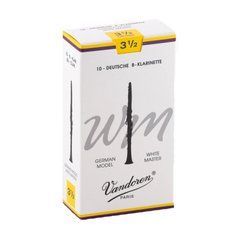
Traditional, V12, 56 rue Lepic, V21, JUNO and synthetic VK1 — profiles for students, orchestral and solo playing.
02
D'Addario Organic
Organic Reserve, Reserve Classic, Reserve Evolution and Organic Reserve Evolution — current professional B♭/A clarinet series.
03
D'Addario / Rico
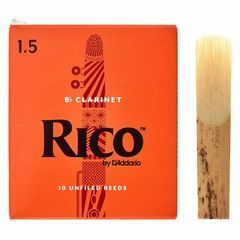
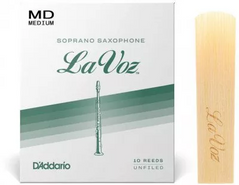
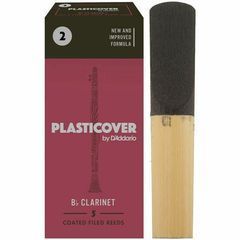
Rico, Royal, La Voz, Grand Concert Select, Plasticover, plus previous Reserve, Reserve Classic and Reserve Evolution.
04
Gonzalez, Rigotti and Selmer
Gonzalez Classic, RC and GD; Rigotti White and Gold; Selmer Premium — natural reeds with different density and geometry.
05
Synthetic series
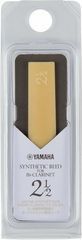
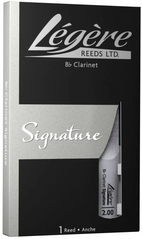
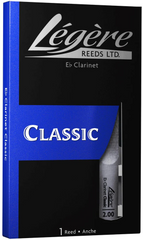
Légère French Cut, European Cut, Signature and Classic, D'Addario VENN, Yamaha Synthetic and Vandoren VK1.
Selection without guesswork
How to choose a clarinet reed
The same strength number from different brands does not guarantee the same resistance. Mouthpiece, facing length, cut, material and your technique all matter.
01
System and mouthpiece
First identify the French, German or Austrian system, the mouthpiece model and its tip opening.
02
Reed strength
A more open mouthpiece often pairs with a softer reed and a closer mouthpiece with a harder one, but final choice is personal.
03
Cut and profile
Filed or unfiled construction and the thickness of the heart, tip and rails affect attack, resistance, tone and stability.
04
Level and purpose
Students value easy response and consistency; professional playing requires a balance of projection, nuance and durability.
Material and predictability
Natural, synthetic and hybrid reeds
01
Natural cane
Offers a rich tone and flexible articulation but reacts to humidity and temperature and needs break-in and rotation.
02
Synthetic material
More stable in changing conditions, retains its shape longer and is convenient for marching, travel and intensive practice.
03
Hybrid composites
Combine polymers or fibres with a cane-like profile; response depends strongly on the brand and series.
Strength comparison
Why strength 2.5 feels different across brands
The Vandoren, D'Addario, Gonzalez, Rigotti, Légère and other strength scales are not universal. Comparison charts are a starting point, not a substitute for testing on your mouthpiece.
01
Start with your current setup
Record the brand, series, strength and mouthpiece that currently feel comfortable.
02
Use the official chart
When changing brands, consult the manufacturer's latest comparison chart.
03
Test adjacent strengths
Where possible, compare neighbouring values before buying a full box.
04
Judge the whole response
Stability, attack, intonation and tone matter more than the number on the box.
Service life and hygiene
How to care for clarinet reeds
01
Break in gradually
Moisten a new natural reed with clean water and gradually increase playing time.
02
Rotate several reeds
Rotation lets the material dry and helps maintain a consistent working set.
03
Store in a reed case
Use a ventilated holder with a flat support surface; do not leave the reed on the mouthpiece.
04
Monitor condition
Replace reeds with cracks, warping, unstable attack or a noticeable loss of resilience.
Cost per playing set
What determines clarinet reed prices
Price depends on material, cane selection, profile tolerances, country of manufacture, pack size and synthetic technology.
01
Series and selection
Professional ranges use stricter material selection and tighter production tolerances.
02
Pack quantity
Compare both the box price and the cost per reed, as well as available strengths.
03
Natural or synthetic
A synthetic reed costs more per unit but may last longer and remain more stable.
Manufacturers and specialists
Worldwide clarinet reed brands
The SoundsGood catalogue is separated from the reference list of worldwide manufacturers. Confirm current availability on the product page or with a consultant.
Available in the SoundsGood catalogue
Brands with series represented in the store catalogue.
VandorenD'Addario Woodwinds / RicoGonzalez ReedsRigottiSelmerLégèreYamaha
Worldwide natural reed manufacturers
French, German, Austrian and international makers of reeds and professional ranges.
MarcaSteuerPilgerstorferPeter Leuthner (PL Class)AW WoodwindsArundosB.K. KlassikMorréReeds4YouJSB by Schwenk & SeggelkeCARBECAlexander ReedsGiardinelliBioreedPisoniPlaynickWood StoneRoberto's WindsMitchell LurieFrançois LouisNuvo BandStartoneThomannGlotin
Synthetic and specialist reeds
Polymer, composite and specialist solutions for consistent playing in different conditions.
FibracellHarry Hartmann FiberreedForestoneSilverstein ALTA / AmbipolyBari WoodwindsBravo ReedsFaxxDream ReedLeitner & Kraus
For institutions and ensembles
Clarinet reeds for music schools, orchestras and Prozorro tenders
SoundsGood works with educational institutions, orchestras, theatres and military bands. We can build a specification by instrument, system, brand, series, strength, pack size and quantity.
01
Technical specification
We check compatibility with clarinets and mouthpieces and suggest acceptable equivalents.
02
Commercial quotation
We prepare the item list, current price and delivery timeframe.
03
Procurement documents
We provide invoices, contracts and other documents for bank transfer or Prozorro procurement.
FAQ
Frequently asked questions about clarinet reeds
Which clarinet reed strength should I choose?
Consider the mouthpiece model and tip opening, your current series, experience level and teacher's advice. Strength numbers do not match exactly across brands.
Are B♭ and A clarinet reeds the same?
Most modern B♭ and A clarinets use the same reed format, but compatibility should be confirmed for the specific mouthpiece.
Can I use a B♭ reed on E♭ or bass clarinet?
No. E♭ and bass clarinets require different reed sizes, which are listed in separate categories.
How does a synthetic reed differ from natural cane?
Synthetic reeds are more stable across humidity and temperature and usually last longer. Natural cane often gives a more flexible feel and tone shaping.
How long does a clarinet reed last?
Service life depends on material, playing intensity, care, rotation and mouthpiece condition. Replace a damaged or unstable reed.
Can I order reeds for a school or orchestra?
Yes. SoundsGood can match the brand, series, strength, pack size and quantity and prepare documents for institutional or tender procurement.
SoundsGood consultation
Buy clarinet reeds with professional selection
Tell us your clarinet and mouthpiece model, system, usual brand, series and strength. SoundsGood specialists will help compare options and place a discounted order with official warranty, instalments and delivery across Ukraine.
+380 (73) 060-01-01