




|
Quantity
|
Cost
|
||
|
|
|||
|
|
|||
Daily cleaning and safe maintenance
Woodwind Instrument Care Products — Buy at SoundsGood
Correct care removes moisture after playing, keeps mouthpieces and cork joints clean and reduces the risk of premature pad and keywork wear. SoundsGood can match swabs, brushes, cloths, pad paper, cork grease, oils and dedicated kits for flute, clarinet, saxophone, oboe and bassoon. Before ordering, we check the instrument, body material, bore size and manufacturer guidance.
Official warrantyFrom the manufacturer or importer
Installment paymentsPrivatBank and monobank
Delivery across UkraineNova Poshta and store pickup
Professional matchingFor your level and playing style
Essential care products
Swabs and cleaning rods
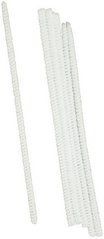
Remove moisture from the bore, neck or individual joints. Shape, length and thickness must match the exact instrument.
Cork grease
Helps cork joints assemble smoothly and maintain a seal. Apply a very thin layer to clean cork only.
Pad paper
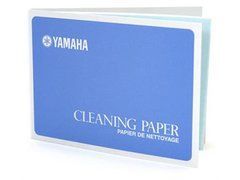
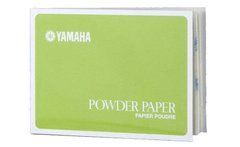
Cleaning paper removes moisture near a pad; use powder paper only as directed by the maker. Do not force paper under a closed pad.
Brushes and cloths
Mouthpiece, neck or barrel brushes and soft surface cloths must be compatible with the finish, lacquer, silver plate or wood.
Key oils
Key oil varies by viscosity and purpose. Apply only at specified points; excess oil attracts dust and can reach the pads.
Wood bore oil
Bore oil is not suitable for every instrument or a universal schedule. A wooden body requires direct guidance from the maker or a qualified technician.
Care by instrument
Flute and piccolo
Remove moisture with a compatible swab after playing. Do not touch pads with a rough cloth or use abrasive polish on the finish.
Clarinet
Swab the body and barrel, remove the reed, clean the mouthpiece and inspect cork joints. The swab must pass freely without becoming stuck.
Saxophone
Clean the body, neck and mouthpiece separately. Moisture collects around pads and tone holes, so use accessories intended for the job.
Oboe
The narrow conical bore needs a dedicated swab or rod. If the cloth meets resistance, do not force it; reverse it carefully.
Bassoon
Joints, bocal and narrow sections have different dimensions. Each part requires a compatible swab or brush that cannot jam or press on keywork.
Mouthpiece and reed
Remove and store the reed separately after playing. Clean the mouthpiece with a product compatible with hard rubber, plastic or metal and avoid aggressive household chemicals.
How to choose care products
Confirm the instrument
Specify make, model, body material and the part to clean: mouthpiece, neck, body, joint or keywork.
Choose the exact size
An oversized swab may jam, while a short brush may not reach the intended area. Follow the maker’s instrument marking.
Do not mix chemicals
A cleaner for metal, silver or lacquer is not automatically safe for wood, hard rubber, plastic, pads or cork.
Inspect consumables
Cloths, paper and grease must be clean and free of grit or metal particles that may scratch the surface.
Care does not replace service
Home maintenance cannot fix leaks, play, cracks, bent keys or worn pads. These require professional diagnosis.
Follow the instructions
The maker or a qualified technician determines the schedule for cork grease, bore oil and keywork oil.
Basic care routine
| When | Action | Product | Important |
|---|---|---|---|
| After every session | Remove reed and internal moisture | Correctly sized swab | Never pull through resistance |
| Regularly | Clean mouthpiece and neck | Brush and soft cloth | Confirm material compatibility |
| As needed | Remove moisture near a pad | Cleaning paper | Do not pull under heavy pressure |
| During assembly | Lightly grease dry cork | Cork grease | Use a thin layer only |
| On a technician’s schedule | Oil key pivots | Correct key-oil viscosity | Apply precisely, never onto pads |
| Periodically | Professional inspection | Service workshop | Check sealing and keywork |
What to avoid
Do not use alcohol, household disinfectants, abrasive paste, universal lubricant or hot water unless the maker explicitly approves it for the exact material. Do not keep a wet swab inside the case. If cloth becomes stuck, do not force the keywork; contact a technician. Adjusting screws, springs or pads without proper training may worsen the seal.
What determines the price
Price depends on swab material, exact sizing, cord and weight quality, lubricant composition, volume, applicator and kit contents. Safe compatibility and convenient daily use matter more than the largest possible assortment in one kit.
Care product and accessory brands
Below is a broad reference list of international care-product, swab, lubricant, instrument and service-accessory brands. Not every company makes every product type, and the list does not imply that every brand is permanently stocked by SoundsGood. Current products and prices are shown in the catalogue.
YAMAHABG FranceVandorenD’Addario WoodwindsRicoHodgeLa TrombaHetmanUltra-Pure OilsKey LeavesPadgardHW ProductsHercoSuperslickMusicNomadRoche-ThomasProtecHenri SELMER ParisBuffet CramponYanagisawaJupiterKeilwerthP. MauriatEastmanConn-SelmerCannonballFox ProductsHowarth of LondonMarigauxF. LoréeRigoutatPüchnerMoosmannRiegerReeds ’n StuffKölblGEWABAMSilverstein WorksISHIMORIWood StoneTon KooimanJ.L. SmithKrausValentinoMusicMedicFerree’s ToolsAllied SupplyForestoneLégère
Related categories
Supply for music schools, orchestras and Prozorro tenders
SoundsGood can prepare care-kit specifications for schools, orchestras, theatres and public institutions: instrument types, quantities, swab sizes, consumables and warranty requirements. Bank-transfer supply and participation in Prozorro procurement are available.
Commercial and public Prozorro tenders→Frequently asked questions
Does every instrument need a separate swab?
Yes when bore length, diameter or shape differs. Use only a size explicitly compatible with the instrument.
How often should cork grease be used?
Only when clean cork becomes dry or the joint is difficult to assemble. Apply a thin layer and follow the maker’s guidance.
Can a mouthpiece be cleaned with alcohol or hot water?
Not every material can. Alcohol and heat may damage hard rubber, plating or other surfaces. Check the instructions for the exact mouthpiece.
What should I do if a swab becomes stuck?
Do not pull hard or load the keywork. Use a reverse cord carefully when provided; otherwise contact a technician.
Can I oil the keywork myself?
Only with the correct key oil at points and intervals specified by the maker or technician. Excess oil can reach pads and collect dust.
Can a music school order care kits in quantity?
Yes. SoundsGood can confirm contents, compatibility and quantities for bank-transfer orders or Prozorro procurement.
Need care products matched to your instrument?Call +380 (73) 060-01-01