




|
Quantity
|
Cost
|
||
|
|
|||
|
|
|||
Tooth comfort, a stable setup and mouthpiece protection
Mouthpiece Cushions — Buy at SoundsGood
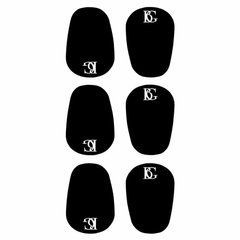
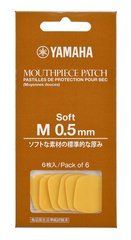
A mouthpiece cushion or patch attaches to the top of a clarinet or saxophone mouthpiece beak. It softens tooth contact, reduces slipping, helps stabilise the embouchure and protects the surface from bite marks. SoundsGood stocks thin and thick, clear and dark patches for hard-rubber, plastic and metal mouthpieces. Before ordering, check thickness, size, material, hardness and the shape of the application area.
Official warrantyFrom the manufacturer or importer
Installment paymentsPrivatBank and monobank
Delivery across UkraineNova Poshta and store pickup
Professional matchingFor your level and playing style
Types of mouthpiece cushions
Thin 0.2–0.4 mm patches
Minimise changes in bite height and mouthpiece feel. They suit players who want light grip and surface protection without noticeably raising the upper teeth.
Medium 0.4–0.6 mm patches
Balance direct mouthpiece feel, stability and cushioning. Actual softness depends on the material as well as the stated thickness.
Thick 0.7–0.9 mm patches
Provide more cushioning and raise the upper-tooth support point. A short embouchure adjustment may be needed when switching from a thin patch.
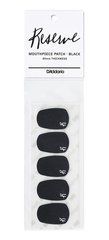
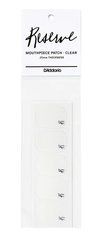
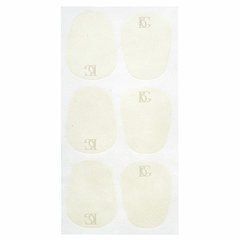
Clear cushions
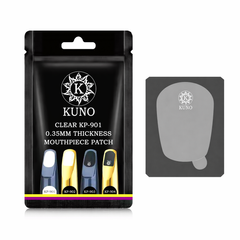
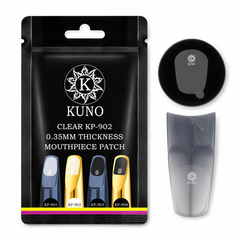
Remain discreet on light and dark mouthpieces. Transparency does not automatically define hardness, grip or durability; check the brand specification.
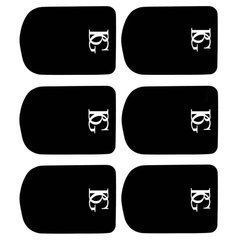
Black and dark cushions
Are easy to position visually and may provide a pronounced grip. Colour alone does not guarantee a particular thickness or softness.
Standard and compact shapes
Large patches cover a wider beak area; compact versions can suit narrow or metal mouthpieces. Edges must not overlap the facing, rails or window.
Mouthpiece and instrument compatibility
Clarinet
For E♭, Bb, A and bass clarinet, choose a shape that fits the beak width. The patch sits where the upper teeth contact and must not interfere with the reed or ligature.
Soprano and alto saxophone
Standard small shapes often fit hard-rubber mouthpieces, but beak width and tooth position vary. Check the maker’s dimensions.
Tenor and baritone saxophone
A wider beak may need a large patch. With a deep mouthpiece position, make sure the edge does not sit directly under the teeth and begin to lift.
Metal mouthpieces
Often have a narrower or differently shaped bite plate, so a compact or explicitly marked metal-mouthpiece version may be required. Do not trim a patch when the maker advises against it.
Hard rubber and plastic
The surface must be clean, dry and free of grease. Aggressive solvents, abrasives and high temperature can damage hard rubber or a finish.
Individual setup
Thickness changes upper-tooth height and perceived mouthpiece opening. For pain, dental work or a teacher’s specific setup, confirm the choice with the appropriate professional.
How to choose the right patch
The main variables are thickness, size and material properties. The same thickness can feel different across brands because of hardness, texture and adhesive construction.
Thickness
A 0.35–0.4 mm patch keeps a direct mouthpiece feel; 0.75–0.9 mm provides more cushioning. Choose for comfort and the familiar bite height.
Size and shape
Check beak width and the upper-tooth contact area. The complete patch should sit on a flat surface without overhanging the edges.
Grip
Smooth and textured surfaces retain the teeth differently. Excess grip may feel restrictive, while a very slick surface may not provide the required stability.
Mouthpiece material
Confirm that an adhesive patch is allowed on the specific hard rubber, plastic, metal, lacquer or plated finish.
Pack quantity
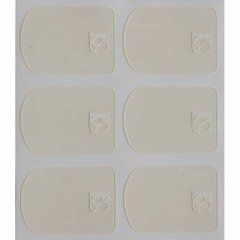
Products may contain one cushion, sheets of five or six, or larger packs. Compare the number of patches and cost per piece, not only the pack price.
Position
Test the position with the backing still attached, find the natural upper-tooth contact point and only then apply the patch centrally.
Quick thickness comparison
| Thickness | Feel | Cushioning | Best for | Consider |
|---|---|---|---|---|
| 0.2–0.35 mm | Closest to the bare mouthpiece | Low | Players avoiding a bite-height change | Thin material may show wear sooner |
| 0.4–0.6 mm | Balanced | Medium | Study and general use | Material hardness of the exact model |
| 0.7–0.9 mm | Noticeable tooth lift | High | More comfort and grip | May alter a familiar setup |
| Compact shape | Thickness-dependent | Material-dependent | Narrow and metal mouthpieces | Actual bite-plate width |
| Large shape | Broad support area | Thickness-dependent | Standard hard-rubber mouthpieces | Edges must remain within the beak |
How to apply and remove a patch
Wash your hands, clean the mouthpiece by a method approved by its maker and dry the bite area fully. Do not touch the adhesive. Centre the patch on the actual upper-tooth contact area and press from the middle toward the edges without bubbles. To remove it, lift an edge slowly without a metal tool. Remove adhesive residue only with a product that is safe for the exact material; do not use acetone, abrasives or hot water without the maker’s explicit approval.
When to replace it
Replace a patch when it develops a deep dent, crack, sticky surface, contamination or lifting edges. Do not apply a new patch over an old one. A cushion is a consumable accessory whose life depends on bite force, material, thickness, playing frequency and care. It is not a medical device and does not correct pain, technique or dental problems.
What determines cushion price
Price depends on brand, material, thickness, texture, shape, adhesive and the number of patches in the pack. For regular practice, cost per piece is useful, but compatibility and comfort are more important than buying the largest pack.
Mouthpiece cushion, mouthpiece and accessory brands
Below is a broad reference list of international cushion, clarinet and saxophone mouthpiece and accessory brands. Not every company makes patches, not every patch fits every mouthpiece, and the list does not mean every brand is permanently stocked by SoundsGood. Current products, thicknesses, pack sizes and prices are shown in the catalogue.
BG FranceVandorenD’Addario WoodwindsRicoKUNOYAMAHAHenri SELMER ParisaSThomannSilverstein WorksForestoneWood StoneISHIMORIYanagisawaJupiterKeilwerthP. MauriatBuffet CramponBackunBari WoodwindJodyJazzTheo WanneOtto LinkMeyerBerg LarsenSYOSGottsuDrake MouthpiecesRousseauBeechlerBrancherLebayleRunyonPonzolPillingerMorgan MouthpiecesVandoren ParisPompeiiPlaynickChedevilleClark W FobesGrabnerLicostiniWanne EssentialsAMTBarkley BrazilTheo Wanne WaterBoston Sax ShopRetro RevivalMACSAX
Related categories
Supply for music schools, orchestras and Prozorro tenders
SoundsGood can prepare a consumables specification for music schools, colleges, orchestras, theatres and public institutions: instrument, mouthpiece type, thickness, size, pack quantity and delivery requirements. Bank-transfer orders and participation in Prozorro procurement are available.
Commercial and public Prozorro tenders→Frequently asked questions
Why use a mouthpiece cushion?
It softens upper-tooth contact, reduces slipping, helps stabilise the setup and protects the mouthpiece beak from bite marks.
Should I choose 0.35 or 0.8 mm?
A 0.35–0.4 mm patch barely changes bite height; 0.75–0.9 mm provides more cushioning and raises the teeth more. The final choice depends on comfort.
Is a clear or black patch better?
Colour mainly affects appearance. Hardness, grip and service life depend on the material and the exact model specification, not colour alone.
Will a standard patch fit a metal mouthpiece?
Not always. Metal mouthpieces often have a narrower bite plate, so check dimensions or choose a compact patch explicitly marked for that format.
How can I remove an old patch safely?
Lift the edge slowly with fingers or a non-metal tool. Do not scratch the surface or use aggressive solvents unless the mouthpiece maker specifically permits them.
Can a music school order mouthpiece cushions in quantity?
Yes. SoundsGood can confirm thickness, size, pack quantity and total units for bank-transfer orders or Prozorro procurement.
Need help choosing thickness and size?Call +380 (73) 060-01-01