




|
Quantity
|
Cost
|
||
|
|
|||
|
|
|||
Ergonomic thumb support for clarinet, oboe, flute and saxophone
Thumb Rests and Cushions for Woodwind Instruments — Buy at SoundsGood
Thumb rests and cushions can redistribute instrument weight, soften contact with the standard support and refine hand position. SoundsGood offers soft cushions by BG France and Selmer (USA), adjustable Ton Kooiman clarinet rests and flute supports. Before ordering, confirm the exact instrument, model and standard-rest shape, mounting method, adjustment range and whether professional installation is required.
Official warrantyFrom the manufacturer or importer
Installment paymentsPrivatBank and monobank
Delivery across UkraineNova Poshta and store pickup
Professional matchingFor your level and playing style
Main thumb-rest and cushion types
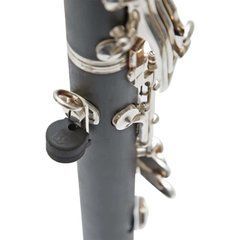
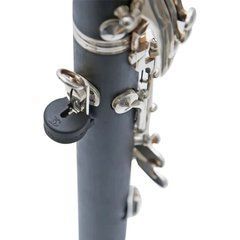
Soft standard-rest cushion
A rubber, elastomer or other compatible cushion slips over the existing thumb hook. Internal size, shape and material stability are essential.
Large contact cushion
A larger contact area can distribute pressure differently. It must not slip, touch keys or restrict a free hand position.
Adjustable clarinet thumb rest
A separate assembly can change support height, angle or position within the maker’s range. Installation must suit the specific instrument model.
Detachable flute support
An added rest or guide can stabilise the right hand without permanently modifying the instrument. Confirm body diameter and protective contact material.
Ergonomic finger platform
A wider support surface may fit the standard mount or a dedicated adapter. The manufacturer defines compatibility and rated load.
Professionally installed rest
A model requiring drilling, base replacement or precise positioning must be fitted by a technician. DIY modification can damage the body and finish.
Compatibility by instrument type
E♭, Bb and A clarinet
Check standard metal or plastic rest width and shape, mechanism clearance and compatibility with a strap ring. Adjustable systems are selected by instrument model.
Bass clarinet
Weight and balance differ substantially from soprano clarinet. Use an accessory explicitly intended for bass clarinet; a cushion does not replace a floor peg or harness.
Oboe and cor anglais
A small standard hook needs an accurately sized cushion. The product must not contact keys or rods or create concentrated load on the wood.
Flute and piccolo
A detachable support must match body diameter, protect the metal and leave keys clear. Adjust it together with proper hand position, not as a substitute for technique.
Soprano, alto, tenor and baritone saxophone
Standard rests and loads differ. On heavier saxophones, a compatible strap or support system should carry the main weight rather than the thumb.
Student and orchestral instruments
Hand size changes, so fit should be reviewed periodically with a teacher. Do not transfer an accessory between instruments without checking compatibility again.
How to choose the right rest or cushion
A safe choice starts with exact instrument type, standard-rest shape, mounting method and playing hand position—not colour or softness alone.
Exact instrument and model
Specify clarinet, oboe, flute or saxophone, pitch and model. The same instrument type can use different rests across series and production years.
Standard-rest dimensions
Measure contact-part width, thickness and shape using the seller’s or maker’s guide. A cushion must not be loose or require forceful stretching.
Hand position
The thumb should rest naturally without sharp flexion, numbness or excessive pressure. Review the setting with a teacher or experienced player.
Mounting method
Slip-on and detachable models avoid body modification; clamps and permanent systems have separate requirements. Adhesive may be incompatible with lacquer or plating.
Material and surface
The contact surface should be soft, non-slip and compatible with metal, wood, ABS and lacquer. Follow the maker’s cleaning guidance.
Warranty and installation
Before permanent modification, check its effect on the instrument warranty. Entrust drilling, base relocation and work near the mechanism to a technician.
Quick comparison
| Type | Installation | Adjustment | Best for | Check |
|---|---|---|---|---|
| Soft cushion | Over standard rest | None | Student or professional | Internal size and secure fit |
| Large cushion | Over standard rest | None | Player seeking more contact area | Key clearance and stability |
| Detachable flute support | Clamp or body wrap | Limited | Flutist with a compatible model | Diameter, finish protection and hand position |
| Adjustable rest | Adapter or base replacement | Height, angle or distance | Player with a specific fitting goal | Instrument model and installation method |
| Permanent system | Professional fitting | Model-dependent | After individual selection | Warranty, mounting point and mechanism operation |
Safe installation and use
Remove dust from the standard rest with a dry, soft cloth and fit a cushion without excessive stretching. Confirm that it does not move, touch keys or leave marks. Adjust an ergonomic accessory in small steps, checking balance, finger freedom and mechanism operation after every change. Before transport, confirm whether the product may remain on the instrument inside its case.
Comfort without unsafe claims
A rest or cushion may change load distribution and playing feel, but it is not a medical device and does not treat pain. If numbness, weakness, swelling or persistent discomfort occurs, stop playing and seek appropriate professional advice. Do not drill the body yourself, use unapproved adhesive or position an accessory where it loads keys, wood or solder joints.
What determines the price
Price depends on design, material, adjustment range, precision hardware, compatibility with specific models, included adapters, country of manufacture and the need for professional installation. Correct fit and secure mounting matter more than the maximum number of adjustments.
Thumb-rest, cushion and woodwind brands
This SoundsGood category currently includes Ton Kooiman, BG France and Selmer (USA). The broader reference list below covers international ergonomic-accessory and woodwind brands. Not every company makes rests or cushions for every instrument, and the list does not mean every brand is permanently stocked. Current models, prices and availability appear in the catalogue.
Ton KooimanBG FranceSelmer (USA)ThumbportBo-PepThumbalinaDEGNeotechRidenourValentinoProtecYAMAHAHenri SELMER ParisBuffet CramponBackunJupiterYanagisawaKeilwerthP. MauriatCannonballAntigua WindsEastmanTrevor JamesPearl FlutesMuramatsuMiyazawaAltusSankyoPowell FlutesHaynesBurkartGemeinhardtDi ZhaoAzumiHowarth of LondonMarigauxF. LoréeRigoutatFossatiFox ProductsPüchnerMoosmannSchreiberAdlerJ. SchreiberUebelLeblancNobletJodyJazzTheo Wanne
Related categories
Supply for music schools, orchestras and Prozorro tenders
SoundsGood supplies music schools, colleges, orchestras, theatres and public institutions. We can confirm instrument models, rest and cushion types, sizes, quantities, installation requirements, warranty documents and technical specifications. Bank-transfer supply and participation in Prozorro procurement are available.
Commercial and public Prozorro tenders→Frequently asked questions
Which instruments use thumb rests and cushions?
Dedicated models exist for clarinet, oboe, flute and selected saxophones. Compatibility depends on exact instrument, model, standard-rest shape and mounting method.
Should I choose a soft cushion or an adjustable rest?
A cushion changes contact with the standard hook and is simpler to fit. An adjustable rest can change the support point but needs exact selection and sometimes professional installation.
Will a thumb rest help if my thumb or hand hurts?
An accessory may change feel and load distribution, but it does not treat the cause of pain. Stop playing and seek appropriate professional advice for numbness or persistent discomfort.
Is a technician required for installation?
A detachable cushion is usually fitted without tools by following the instructions. Drilling, base replacement, adhesive use or work near keys should be handled by a technician.
How do I determine the right cushion size?
Confirm instrument and model, measure the standard rest using the maker’s guide and check the permitted range. The cushion should fit without play or excessive stretching.
Can an institution order rests and cushions in quantity?
Yes. SoundsGood can confirm instruments, sizes, quantities and technical specifications for bank-transfer orders or Prozorro procurement.
Need to match a rest to the instrument?Call +380 (73) 060-01-01