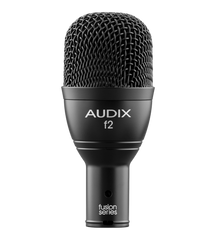
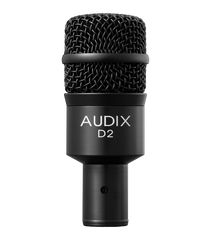
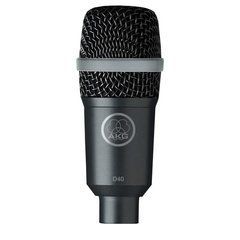
One microphone across different sources
A drum, amplifier and other instruments require different positions and input settings. Check that the holder does not obstruct playing and leaves cable clearance. Evaluate the sound within the mix as well as in isolation.
Sound source and pickup pattern
Choose around the voice or instrument, working distance and ambient noise. Cardioid, supercardioid, omnidirectional and figure-of-eight patterns respond differently to sound from the sides and rear. Match monitor placement to the actual model’s polar pattern.
Connections and power
Check XLR, USB or bodypack connectors and the required power. Phantom power and bias voltage for miniature microphones are different arrangements. An adapter must match electrical requirements as well as connector shape.
Position and input level
Adjust distance and angle while listening in context. Set input gain to avoid clipping on the loudest passages. For speech and vocals, account for air blasts and the use of a pop filter or windscreen.
Mounting and package
Confirm the clip, cable, adapter, windscreen and case. Clip-on models need suitable instrument mounts, while studio microphones need stands with appropriate load capacity. Do not assume every accessory is included.
What makes an instrument microphone versatile?
A general-purpose dynamic microphone is useful when a small recording or live sound kit must cover several instruments. A rehearsal room might need it on a drum today and a guitar cabinet tomorrow. The useful question is which task matters most, followed by which other sources the same microphone can handle convincingly. Versatility does not mean an identical response from every position. Each application needs its own placement, mounting arrangement and input gain.
The AKG P4 listed in this category illustrates this approach: AKG describes a cardioid dynamic instrument microphone for drums, percussion, wind instruments and guitar amplifiers. Treat that application list as a starting point for selection. If your main task is snare drum reinforcement, first assess the sound and mounting on that drum. If guitar recording is the priority, compare positions on your cabinet. An occasional secondary use should not compromise the sound you need every day.
Loud instruments, quiet passages and input headroom
Check the manufacturer's sound pressure specification for the actual model before choosing it for a loud source. A dynamic construction is not a promise of unlimited level handling. The microphone preamplifier can also overload, even when the microphone itself remains within its working range. Set gain using a realistically loud performance and leave room for unexpected accents. A gain knob position cannot be compared directly between different interfaces or microphones because their sensitivities and gain ranges differ.
If the result sounds distorted, identify whether the distortion originates in the instrument, microphone, input stage or recorded signal. Turning down a clipped recording afterwards does not restore the missing detail. Use an attenuator only when the equipment supports it and the input requires it. With a quieter instrument, listen for noise at the gain setting you actually need. A model that works comfortably beside a loud drum may need a different distance or a quieter preamplifier for a delicate acoustic part.
Finding a practical position on drums and cabinets
On a drum, balance attack and body while keeping the microphone clear of sticks and the player's hands. Check neighbouring cymbals as well as the intended drum: a position that sounds impressive alone may introduce unwanted spill in the full kit. On a guitar cabinet, compare the microphone's position relative to the centre and edge of the loudspeaker. Make short recordings with the same musical passage so that placement decisions are based on a useful comparison rather than memory.
Percussion adds movement to the problem. The chosen position must remain usable throughout the performance, with enough clearance for the instrument and musician. If close placement produces excessive bass, try adjusting distance and angle before applying equalisation. Listen within the arrangement, where a leaner sound can sometimes leave more space for other parts. Mark a successful position for later sessions, but repeat the test whenever the instrument, room or playing style changes substantially.
Directionality and combining microphone signals
A cardioid pattern favours sound arriving from the front and reduces pickup from the rear, but it does not remove the surrounding room or other instruments. Consider reflections, nearby sources and stage monitors when orienting the microphone. Off-axis sound can have a different tonal balance, so judging spill by level alone is incomplete. Listen to what reaches the channel during the passages when the intended instrument is silent, as well as during its loudest moments.
When two microphones pick up the same drum or amplifier, listen to their combined signal. Differences in arrival time can change the apparent body and attack. A polarity switch is useful for comparison, but it does not replace thoughtful positioning. Start with one clear signal and add another only when its purpose is defined. Label channels and mounting positions for repeatable setups. More tracks are helpful when each contributes something useful, rather than simply providing more signals to manage.
Mounting, cables and a suitable microphone input
A compact body can fit where a larger microphone is awkward, but leave space for the connector and cable bend. Check that the supplied or optional mount suits the actual instrument or stand. A drum clamp must remain stable while the player performs normally; a short stand in front of a cabinet needs a secure base. Route the cable so that its weight does not pull the microphone out of position. Test the complete mechanical arrangement before the session begins.
A passive XLR dynamic microphone needs a compatible microphone input. A line or instrument input is not automatically an equivalent connection. The passive capsule normally does not require phantom power, although an added inline device may have its own requirements. Computer recording requires a suitable audio interface, not merely a connector adapter. Check cable condition, available gain and the input mode before judging the microphone's sound. A reliable signal path makes it much easier to distinguish tonal choices from connection faults.
Questions before buying one microphone for several jobs
Can one model replace an entire microphone kit? It can cover several tasks performed at different times; simultaneous recording still needs the appropriate number of microphones and channels. Can an instrument microphone record a voice? Assess the tone, air-blast protection and physical convenience for that use. The category name alone does not determine suitability. Is a cable included? Check the exact product package rather than assuming that an accessory shown in a demonstration is supplied.
Tell SoundsGood which instruments you use, which application is the priority, and whether the microphone will work on stage or in a studio. Include the model of your mixer or interface and a list of mounts and cables already available. For multiple microphones, describe which sources must operate simultaneously. Consider transport and setup time alongside sound quality. The most useful general-purpose kit supports your main application well and can be adapted to other sources with a clear, repeatable sound check.
SoundsGood supplies sound equipment for educational institutions, studios, concert halls, conference rooms, and public and private organisations. A technical brief can be used to agree on system components, specifications, a commercial quotation, documentation and delivery arrangements.