Start a replacement with the equipment model
When selecting a power cable for an amplifier, active speaker, mixer or another device, begin with its manual and markings. Establish the exact inlet, electrical requirements and operating conditions. A photograph of the old plug helps identify its shape but does not replace assembly specifications. If the original cord is missing, provide the equipment model and a photograph showing the inlet and its labels. A similar lead working with another device is not sufficient confirmation.
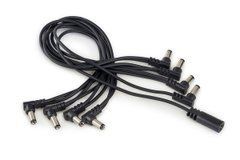
Identify which component actually needs replacement. A detachable mains cord, external power supply and the lead between that supply and the device perform different functions. A finished mains cable does not generate a required DC voltage or replace a power adapter. For equipment with an external supply, check the complete arrangement against its documentation. This produces a useful purchasing request and avoids buying an accessory that fits only part of the system.
Connector designations and complete assembly ratings
Establish the appliance connector, mains plug and required protective contact. Computer cable is not a complete specification. For example, SCHURTER describes C15 for elevated contact temperature, while its C19 assembly has its own documented parameters. Similar appearance does not remove construction differences. Use the designation required by the equipment manufacturer when choosing a replacement.
Do not automatically transfer an individual connector's ratings to a complete finished cord. Compare the full assembly specification: mains plug, cable, equipment end, length and intended conditions. Where regional versions differ, check the actual part number being purchased. Create a requirement list for each device in a larger system. Similar equipment enclosures do not establish identical cord requirements. Clarify a missing specification before selection rather than after the product has been connected.
Locking power connections in professional equipment
Professional devices may use power connectors with mechanical locking. Check the series, exact model, mating component and operating instructions. Neutrik explicitly identifies CBC capability for powerCON TRUE1. Do not transfer that characteristic to every similar looking twist locking connector. A kit can contain several generations or systems whose compatibility and operating procedures require separate confirmation.
If equipment provides a power inlet and an outlet for a following device, the system plan must account for that equipment's requirements and every downstream connection. An outlet does not permit an unlimited number of additional devices. The available cable count cannot determine the permitted equipment count. Stage power distribution needs a specification agreed with the responsible technical professional. Separate source to equipment cords from interconnection cords in the order so similar looking assemblies are not confused during packing.
Length and practical routing
Measure the actual path from the supply point to the device. Account for furniture, racks, protected routes and service access. A short cord can leave the connector under tension or force inconvenient placement. Surplus length also needs thoughtful management without obstructing access or circulation. Do not trap cable under a case lid or cabinet door, or force a sharp bend immediately behind a plug. Inspect the route with equipment in its final working position, including any intended moving parts.
A portable system needs a clear securing and storage arrangement for each cord. Connections should remain accessible for servicing without removing every device. If an extension or distribution unit is used, its requirements are part of the overall system. A finished cable does not increase the permitted loading of preceding components. When changing the route or adding equipment, review the power specification before revising the cable set. Keep the agreed diagram where the technical crew can consult it.
Condition checks before use
On receipt, compare markings, both ends and length with the order. Inspect the jacket, connector bodies and accessible contact surfaces. Damage, signs of overheating or an unstable fit need assessment before use rather than concealment under an external wrap. Do not modify protective contacts to fit an unsuitable outlet. Confirm a replacement through documented compatibility instead of attempting a conversion without the appropriate qualifications. Visual condition and suitability for the application are separate checks.
Connect equipment according to its instructions and confirm normal operation in the intended mode. If the device will not start or behaves inconsistently, stop experimenting with arbitrary cords and establish the cause. The cord, outlet, power supply and device are distinct parts of the system. Do not mark a cable as working merely because no defect is visible. Shared equipment benefits from recorded checks and separation of uncertain items from approved working stock. This prevents an unconfirmed replacement from being issued accidentally.
Questions when equipping a studio or venue
Can one cable type serve every device? Only after checking each device's requirements. Convenient storage and matching colours do not replace compatibility. List the equipment model, both connector ends and length. Account separately for cords already included with new equipment. Spares should fulfil defined tasks rather than form a random collection of similar plugs. Associate them with the relevant equipment group when issuing a kit.
What information supports a touring order? Provide the equipment list, placement plan and required finished cable specifications. Identify locking connectors, mains plugs and connections regularly dismantled. Agree on venue conditions and routing before purchase. Keep the final list with the kit documentation so the crew can check suitability before departure and after return. Update the record when the system expands, including working and spare cord quantities for the new equipment.
Buy sound equipment at SoundsGood
We can help match sources, channels, speakers, connections and budget. Provide a list of existing devices and describe where the system will operate. Confirm the warranty period and included accessories for each product.
Free delivery applies to online-paid orders from UAH 4,000. Promotional items, promo codes, special-order items and instalment payments are excluded. See the payment and delivery page for full conditions.
SoundsGood supplies sound equipment for educational institutions, studios, concert halls, conference rooms, and public and private organisations. A technical brief can be used to agree on system components, specifications, a commercial quotation, documentation and delivery arrangements.