The connection after a power amplifier
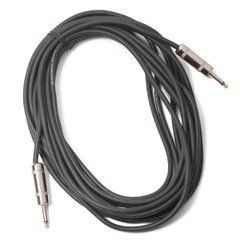
Speaker cable connects a power amplifier output to a passive loudspeaker. This is a different part of the signal chain from microphone, instrument or mixer connections. Before ordering, establish exactly which output and input are being joined. Record the amplifier and speaker models, connector labels and intended length. In a home system, check the receiver's speaker outputs and the passive loudspeaker terminals in the same way. The purpose of each port should be clear before choosing the cable.
An active speaker with its own amplifier normally needs the appropriate signal connection to its audio input and a separate power supply. Do not transfer a passive-system wiring plan to it just because both products are called speakers. A guitar head and passive cabinet also need cable intended for the speaker connection. An ordinary guitar instrument lead should not be selected as a substitute because its plugs look similar. Correct function matters more than whether the connector physically fits the socket.
Conductor size, length and load
The Yamaha discussion of speaker cables identifies resistance, gauge and length as basic parameters. A longer conductor has more resistance; with AWG numbering, a smaller number describes a larger conductor. Gauge should therefore be considered alongside the route and system requirements.
Do not select conductor size from one advertised loudspeaker power figure alone. Provide amplifier information, nominal load, connected speaker count and distances. With multiple speakers, the connection arrangement and permitted load on the actual channel also matter. Cable does not correct an incompatible equipment configuration. State explicitly if the project uses a distributed 70/100 V line; its design should not be replaced with a typical low-impedance stage-system plan. Final selection must follow the documentation for all components, and changing the speaker count calls for another check.
Bulk speaker wire and completed assemblies
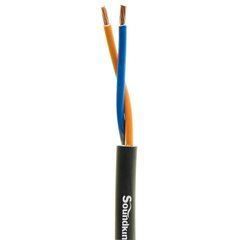
A Speaker Wire listing may describe material for assembly rather than a finished cable with two plugs. Before ordering RapcoHorizon 12GA.K, confirm the sales unit and what the actual part number includes. Measure each route separately with a justified allowance at the equipment. A finished solution also needs terminations, assembly and testing where these are not included in the product. Compare the total cost of a working connection rather than only the price per unit of wire.
For repeatable kits, agree on a specification covering cable, length, both ends, contact assignment and labels. Different line functions should be apparent from the markings; jacket colour alone is insufficient. On delivery, check individual lengths and item counts as well as total cable quantity. A retained specification makes an exact replacement easier to order after jacket printing has partly worn away. Add an inventory identifier for rental stock so inspection and repair notes refer to one particular assembly.
Connectors, contact assignment and polarity
Binding posts, clamped terminals and speaker plugs each require appropriate cable preparation. Compatible diameter, conductor requirements and mechanical retention matter. Neutrik identifies speakON as a loudspeaker connector. Its name alone does not define the pin assignment used by a particular amplifier or speaker; check that in the equipment documentation.
Maintain the specified polarity at both ends rather than changing it arbitrarily. Record the contacts used by each route in a multi-contact assembly. Do not assume that every physically compatible lead suits bridge operation or another special amplifier mode. Prepared conductors at exposed terminals must not create accidental shorts. Assemble with equipment switched off according to its instructions, and check the completed route before applying the operating signal. If a technician makes the assembly, provide the equipment wiring plan as well as the desired plug types.
Routing, transport and condition checks
Choose a route that does not leave cable weight hanging from the speaker or amplifier port. Provide working allowance near a stand and appropriate protection at walkways. Do not use a cable loop to support the loudspeaker itself. Before moving a speaker, assess the cable's position and available length. In permanent installations, confirm the jacket and installation method suit the actual conditions. A lead convenient on a temporary stage should not automatically be treated as suitable for every concealed installation.
Inspect entries, latches and jackets before transport. Identical leads can be numbered with a short inspection record. Remove items with damaged insulation or unreliable retention until repaired. After assembly, check the contact assignment and absence of unintended connections using suitable test equipment, then test the system in its intended mode. If interruptions or unusual behaviour appear, stop using the suspect section and determine the cause. Increasing amplifier gain is not a remedy for an unreliable connection and can obscure the original symptom.
Frequently asked speaker-cable questions
Is loudspeaker power enough information? No. Amplifier details, load, wiring arrangement, length and connector requirements are needed. For several speakers on one channel, describe the complete setup rather than one cabinet selected from it.
Should the thickest option be chosen immediately? A larger conductor does not remove the need for compatibility with terminals, connector housings and the route. The goal is a complete lead that can be assembled correctly and serviced. Additional weight may also be inconvenient in a mobile kit.
Must both channels have identical cable lengths? Avoid adding substantial loops purely for visual symmetry. Agree lengths around actual routes and system design. Provide both distances and the equipment specifications when requesting selection help.
What is useful for an order? A list of amplifiers and passive speakers, the channel plan, required lengths and photographs of the connection panels. Clarify whether bulk wire or fully assembled and tested leads are needed. The specification can then include the necessary components and work from the start.
SoundsGood supplies sound equipment for educational institutions, studios, concert halls, conference rooms, and public and private organisations. A technical brief can be used to agree on system components, specifications, a commercial quotation, documentation and delivery arrangements.