Kun Original 300 is a non-folding shoulder rest for a 4/4 violin. We look at its place in the Kun range, a practical fit check and an important storage detail.
Specifications
| Model | Kun Original 300 |
|---|---|
| Violin size | 4/4 |
| SoundsGood item number | 103224 |
Start with the reason for choosing a rest
Kun Original 300 is a useful starting point when comparing shoulder rests for a 4/4 violin. The name identifies a model rather than a player’s level: the same design may suit a student or an experienced performer. What matters more is the problem you want to solve. Do you need a different size, a more comfortable fit, replacement of worn parts or simply a chance to try another shape? Your answer determines what to assess during a fitting. If the shape of your current rest suits you but it no longer stays securely in place, investigate the cause first. Buying another model without doing so can leave the original problem unresolved.
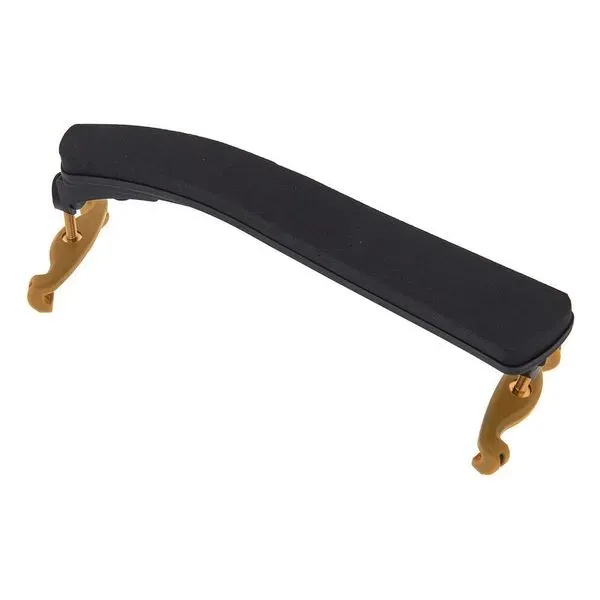
A straightforward non-folding design
Original offers fit adjustment and comes in several sizes; this review concerns the 300 for 4/4 violin. Kun warns against repeatedly pulling the T-shaped feet and drums out for storage, because that can damage the base. Collapsible end members are not a conversion kit for making an Original fold.

Width, height and placement are separate questions
It is easy to focus only on height during the first adjustment. The rest must first fit the instrument’s width and stay secure in the chosen position. Kun uses threaded feet for height, while Original’s width is changed by repositioning the end members along the base. Follow the maker’s instructions for the exact procedure. Do not treat extra tightening as a universal solution to an awkward fit. First decide whether the issue is slipping, the violin’s position or the contact between the support and your shoulder. Change one setting at a time, returning to a familiar short passage after each change. That makes the result easier to understand and a successful setup easier to reproduce.
Test it in your normal practice routine
Prepare three short examples for a useful trial: a calm melody, a passage with string crossings and familiar position changes. Your most difficult piece can distract you from assessing the fit. After a few minutes, ask whether you frequently reposition the violin and whether starting the next phrase feels comfortable. Test both seated and standing playing if you use both. Record specific observations rather than only an overall verdict of liking it. The feel of returning to first position, for example, may be more informative than your initial response to the accessory’s appearance. Ask a teacher to observe the instrument’s position from the side as well.

What photographs cannot tell you
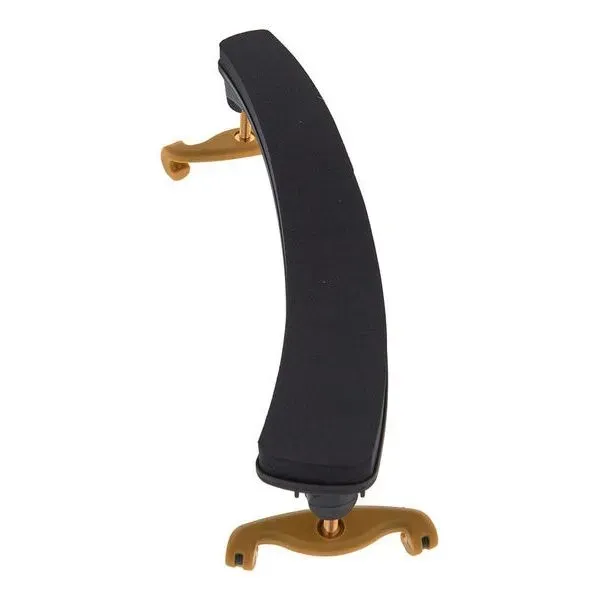
Photographs show the contour, pad and feet, but cannot reproduce the fit on your violin. They also provide no basis for promising a particular tone or volume. To compare sound, keep the strings, bow and microphone position unchanged. Record the same passage with your usual support and with Original, then assess the recording separately from how playing felt. Comfort may influence the way you produce sound, so those observations do not necessarily match. Do not decide from a single loud open string. What matters is the instrument’s behaviour in your actual repertoire and usual dynamic range.
Questions to settle before ordering
Do you need the 300 specifically? It is the 4/4 violin version; check a separate model for a smaller instrument. Will it fit your case? Check the compartment in advance because Original does not fold. Do you need a different chinrest immediately? For an initial comparison, keeping your familiar chinrest avoids changing two components at once. Will a new support resolve every discomfort? Only a trial and methodical adjustment can answer that. Reduce your requirements to a short list: instrument size, available case space, preferred violin position and the specific reason for replacing the current rest. Comparing Original with alternatives then becomes much more focused.
Who should consider Original 300
Consider it if the Original shape suits you and your case has room for a non-folding rest. Check both instrument size and the accessory compartment before buying. If compact transport is your main priority, compare the Collapsible 300C separately. If your current rest fits well but slips, first inspect its contact surfaces and adjustment rather than assuming that a different model is the only solution.

View the product at SoundsGood
Editorial review based on manufacturer documentation. The cover is an illustration; product photographs are from the SoundsGood catalog. Source: manufacturer documentation