Keywork, neck options, finish and comparison with the YAS-280: understanding when the Yamaha YAS-480 fits a player’s needs.
Key specifications
| Model | Yamaha YAS-480 |
|---|---|
| Type | Alto saxophone |
| Key | E-flat (E♭) |
| Finish | Gold lacquer |
| Auxiliary keys | Front F; F♯ |
| Specified mouthpiece | Yamaha 4C |
| SoundsGood item number | 29327 |
What intermediate means here
The YAS-480 is an E-flat alto in Yamaha’s intermediate range. It is often considered after a first student instrument, but a useful choice starts with your own requirements. You may want a more comfortable left little-finger transition, a different response at familiar dynamics or the option of comparing necks later. Those are specific questions a trial can address. Wanting to sound more professional is too broad: mouthpiece, reed, articulation and room acoustics also shape the result. The 480 can be a first saxophone when it fits comfortably and leaves budget for lessons, but it is not a compulsory stage for every 280 owner.

Neck options and later adjustment
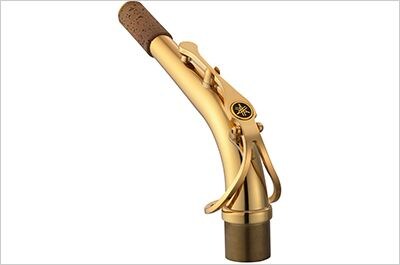
Yamaha describes the 480 octave system as accommodating selected Custom Z and Custom EX necks, sold separately. This offers scope to explore a setup later; it is not a requirement to replace the supplied part immediately. Begin with the standard neck and a familiar mouthpiece. When trying another neck, assess intonation, quiet attacks and register changes as well as the tone of one note. Confirm compatibility of the exact part and its physical fit before buying. Advice for a tenor does not automatically apply to an alto just because both belong to the 480 range. An additional neck must suit your particular model.
Left-hand keywork and auxiliary keys
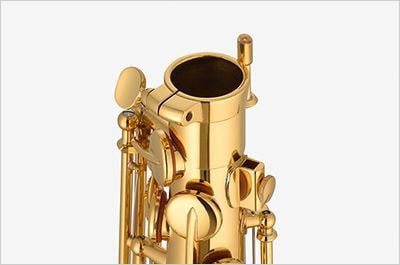
Features include a left-hand seesaw key mechanism, Front F and high F-sharp. Assess the first through slow low-note combinations, noticing whether you need to shift your whole hand. Its presence does not mean that every hand will find it equally comfortable. Repeat a passage at several tempos and compare the feel with your current instrument. If the movement is unfamiliar, ask a teacher to demonstrate it first; otherwise you may be judging a new fingering rather than the construction. Keywork photographs help explain where the parts sit, but playing provides the final answer.
Bell, key guards and appearance
The standard YAS-480 combines gold lacquer with a hand-engraved bell. Its separate key guards have adjustable stoppers, which are technical setup components rather than everyday tone controls. Yamaha’s site also shows the two-tone SGLK version; photographs of that finish should not be read as a description of the standard gold instrument in this listing. Check the model suffix and finish when ordering. Engraving is easy to notice on stage or in a close-up, but reveals nothing about pad condition or accurate key closure. Appearance and mechanical checks deserve separate consideration when choosing.
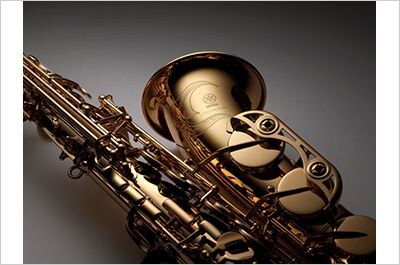
Comparing sound without changing everything
Try the 480 with your familiar setup first, then with the supplied 4C if useful. These answer different questions: how the new body works in your system, and whether the included mouthpiece suits you. Do not collapse both into a single verdict of better. For ensemble use, ask a colleague to listen from a distance, because the sound at the player’s ear differs from the impression in the room. Try a gentle phrase opening, normal legato and articulations from your repertoire. Repeatable comfort and control in familiar music are more valuable than the impact of a very loud trial in an unfamiliar room.
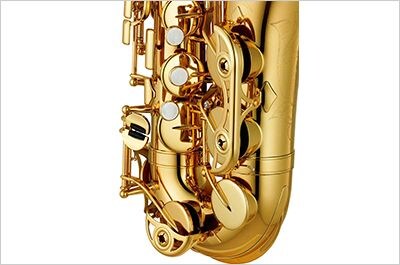
A useful playing trial
Prepare a short programme to compare two saxophones: sustained middle-register notes, a slow scale, a few quiet low-note attacks and a familiar melody. Begin at a comfortable tempo rather than at the limit of your technique. Keep the same mouthpiece and a sound reed when they are compatible with both instruments. Changing several components together makes the result difficult to interpret. Record both trials from the same distance without reverb or automatic gain, if your recorder lets you disable it. Note how the keys feel separately: a listener will not hear an awkward little-finger movement, although it can matter greatly in daily practice. Finish by repeating the opening passage to distinguish the attraction of something new from a repeatable improvement.
Who benefits most from the upgrade
The 480 belongs on the trial list of a regular player who can compare instruments against specific criteria. That might involve a school ensemble, amateur big band or a wider individual repertoire. If the main problem with the old saxophone is a fault, obtain a repair assessment first. Comparing a newly adjusted instrument with a leaking old one partly compares condition rather than model class. If a mechanically sound 280 has already been assessed and the 480’s keywork or configuration suits your work more closely, the decision has a clear basis. That outcome is more useful than a general impression of the series’ prestige.
Checks to make with the seller
Before paying, confirm the complete model designation, finish and contents of the particular package. Ask the seller to demonstrate how the instrument fits in its case, where the neck and mouthpiece are stored and whether closing the lid puts pressure on the keys. For a remote purchase, photographs of the actual instrument and confirmation of a mechanical check before dispatch are useful. Consult the product listing for price and availability, which can change independently of this review. Budget for reeds, an appropriate swab and a comfortable strap or harness. With a first instrument, lessons and a sound initial setup offer practical value from the first week; avoid spending the entire budget on a more expensive body alone.
View the product, price and availability at SoundsGood
Editorial review based on Yamaha documentation. The cover is an illustration; instrument and detail photographs come from the SoundsGood catalog and manufacturer materials.